
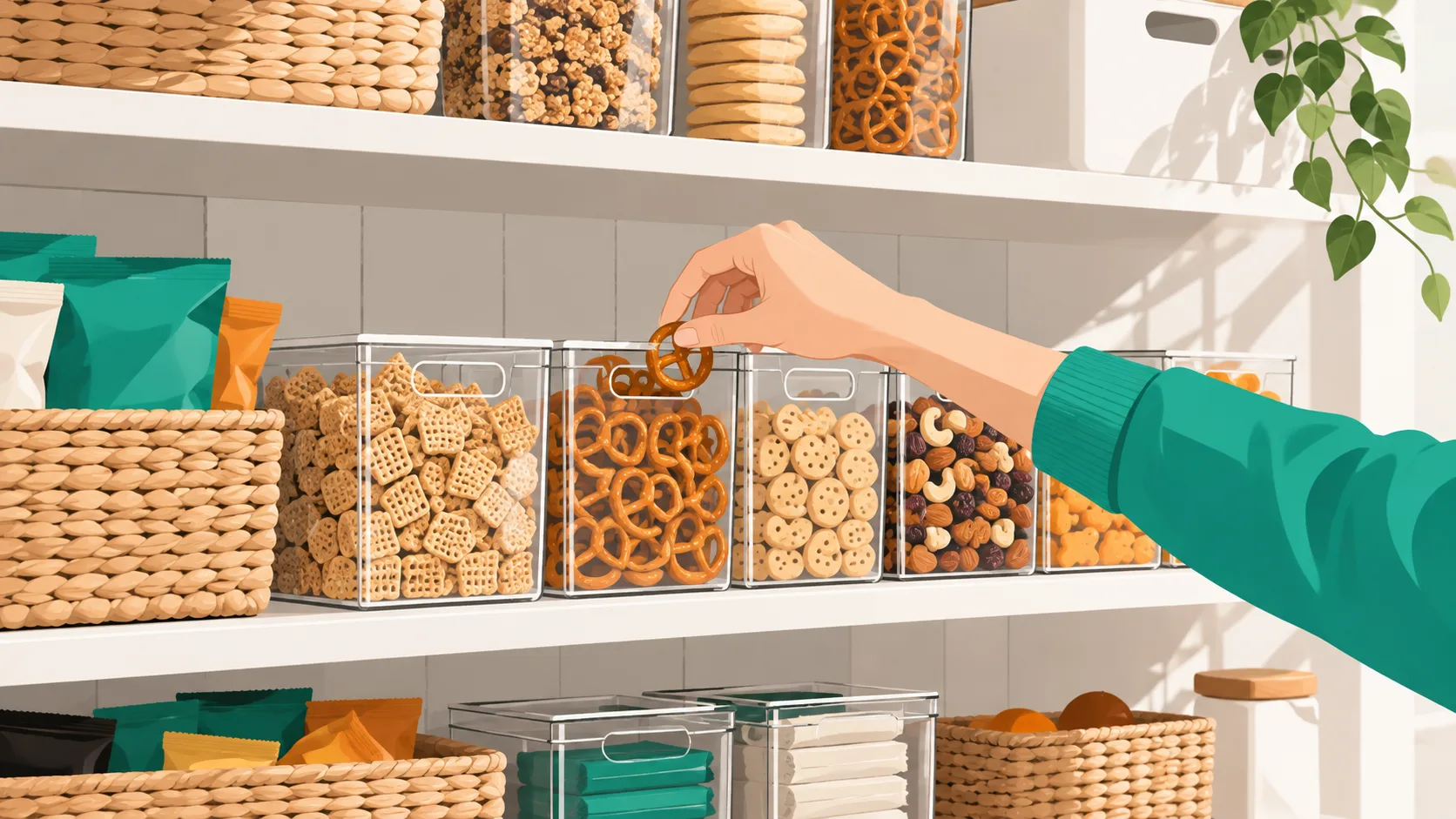
Best Snack Pantry Organization Ideas For Every Budget
A well-organized snack pantry means fewer rummaged shelves, less food waste, and a calmer kitchen for everyone. Whether you have a deep walk-in closet or a single cabinet, the right system makes grabbing a snack easy and keeping things tidy even easier. At Stash Savvy we track dozens of pantry setups every month, and this round-up covers the eight snack pantry organization ideas that hold up across budgets, from free repurposing tricks to premium bin systems.
How We Ranked These Ideas
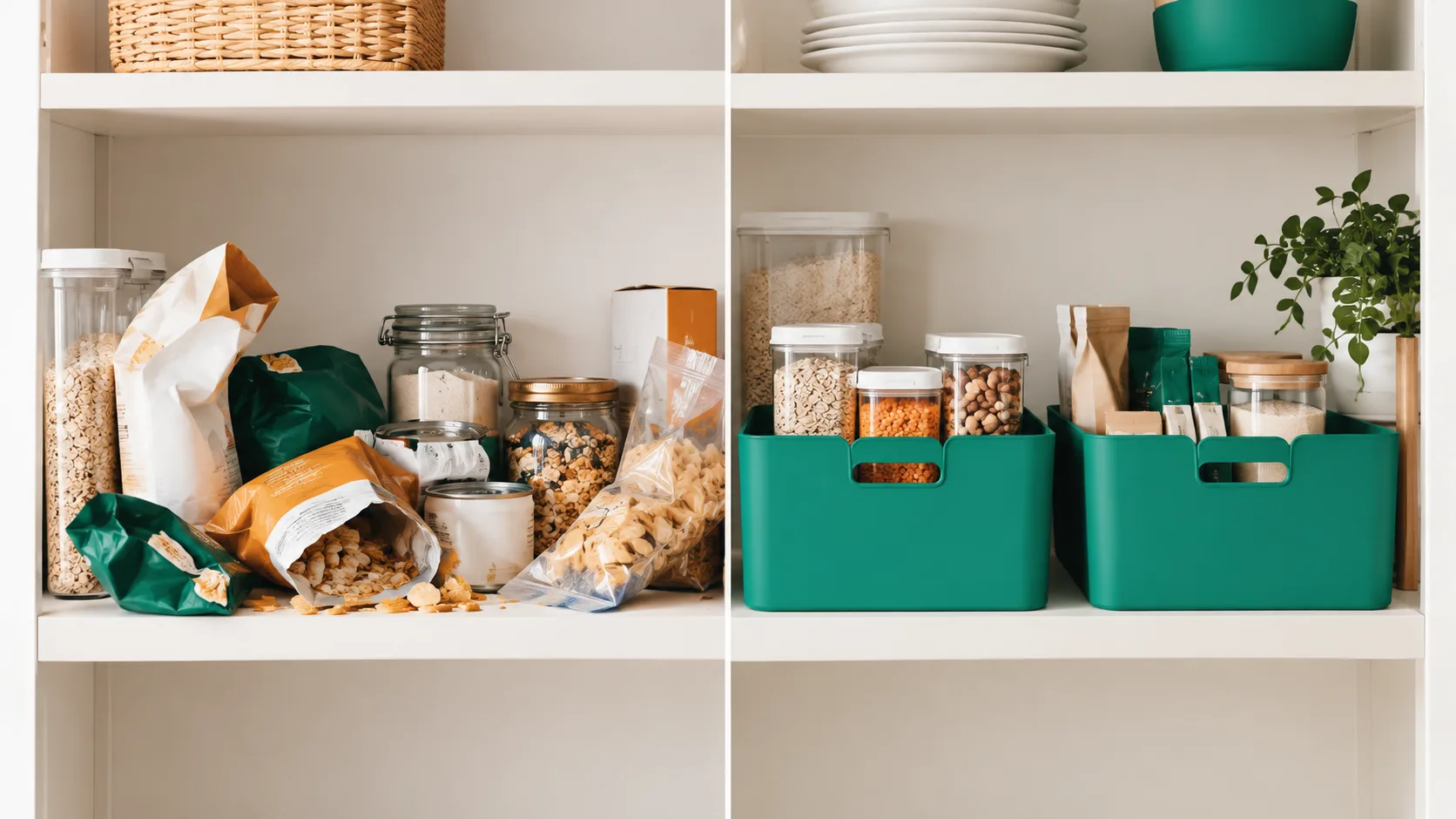
Every idea on this list had to earn its spot against the same five criteria. If a bin looked beautiful but no one in the household could keep it stocked, it didn’t make the cut. If a hack was free but only worked for one snack type, it dropped in the ranking. Real households eat real snacks, and the system has to match the mess. The same thinking that shapes our garage storage ideas applies here: real-world durability beats showroom looks every time.
- Budget accessibility. Ideas span from $0 repurposing to premium bin sets, so there’s a workable option at every price point, similar to the approach in our thrifty organizing hacks.
- Ease of maintenance. Systems that are hard to reset within 30 seconds don’t last a week.
- Visual clarity. Seeing what you own at a glance cuts duplicate purchases and expired-snack surprises.
- Space efficiency. From narrow cabinet shelves to full walk-ins, the idea has to earn its footprint, a principle we lean on in our small-space kitchen storage guide.
- Adaptability. Chips, pouches, bars, and cans all behave differently; the container has to flex.
Takeaway: the best snack system isn’t the prettiest, it’s the one your whole household will actually put things back into.
Quick Summary: Best Snack Pantry Organization Ideas
Here are all eight picks at a glance, ranked and tagged by best use. Clear stackable bins take the top slot because they scale from a single cabinet to a full walk-in and stay useful as your snack mix changes, an idea we return to often in our deep pantry shelf guide.
- Clear Stackable Bins, Best Overall
- Open-Front Chip and Bag Holders, Best for Grab-and-Go
- Wire Basket Tiers, Best for Bulk Buyers
- Repurposed Boxes and Baskets, Best Free Option
- Lazy Susan Turntable, Best for Corner Shelves
- Kids’ Snack Basket, Best for Families
- Pull-Out Cabinet Drawers, Best for Small Pantry Cabinets
- Countertop Snack Station, Best for Small Spaces
According to Amazon’s current listings, clear stackable bins are the top-purchased snack organizer category, with top-rated sets landing between $15 and $27 per multi-pack. But the single biggest factor in long-term success isn’t the container, it’s committing to a dedicated snack zone in the first place, something we cover in our broader pantry organization for deep shelves walkthrough.
Takeaway: pick the container that fits your zone; don’t build the zone around a container.
At a Glance: Snack Pantry Organization Ideas Compared
The table below stacks all eight ideas across cost, best use case, and their standout feature. Free options like repurposed cereal boxes surprise people with how well they handle packets and bars, while wire baskets and Lazy Susans shine in specific spots that trip up other systems, a lesson that also shows up in our kitchen counter organization breakdown.
| Rank | Idea | Approx. Cost | Best For | Standout Feature |
|---|---|---|---|---|
| 1 | Clear Stackable Bins | $15-$30 | Overall visibility | Contents visible from every angle |
| 2 | Open-Front Bag Holders | $25-$45 | Chip bags & pouches | Slanted access, no digging |
| 3 | Wire Basket Tiers | $30-$50 | Bulk buyers | Vertical airflow, high capacity |
| 4 | Repurposed Boxes | $0 | Tight budgets | Custom-cut to fit any shelf |
| 5 | Lazy Susan | $10-$25 | Corner shelves | Spin access to deep items |
| 6 | Kids’ Snack Basket | $8-$20 | Families | Low, self-serve height |
| 7 | Pull-Out Drawers | $30-$80 | Cabinet pantries | Turns cabinets into drawers |
| 8 | Countertop Station | $20-$60 | Small spaces | Grab-and-go visibility |
Takeaway: pair the container to the shelf shape, not the other way around.
The 8 Best Snack Pantry Organization Ideas
1. Clear Stackable Bins (Best Overall)
Clear stackable bins are the workhorse of snack pantry organization. The Vtopmart 8-pack sits around $27 with a 4.7-star average across 2,400-plus reviews, and its four-compartment design keeps packets upright and sorted. Because the bins nest and stack, they grow with your pantry rather than boxing you in. For deeper shelves, pair the bins with the strategies in our organize a pantry with deep shelves guide so nothing disappears at the back.
Pricing: roughly $15-$30 per multi-pack. Standout: visibility from every angle. Who it’s for: anyone building a first real system. Weakness: clear plastic shows crumbs, so a quick monthly wipe-down is part of the deal.
2. Open-Front Chip and Bag Holders (Best for Grab-and-Go)
Open-front bins solve the chip-bag problem: bags that slouch, tip, and lose air. The Sorbus 4-pack retails around $42 and uses a slanted opening so pouches, chip bags, and juice boxes stay upright while remaining easy to grab. These are the bins to reach for if your household treats the pantry like a drive-through, and they play well with the closet organization alternatives already earning their keep elsewhere in the home.
Pricing: $25-$45. Standout: slanted access with no rummaging. Who it’s for: high-turnover snack shelves. Weakness: the open front means dust settles faster than in a lidded bin.
3. Wire Basket Tiers (Best for Bulk Buyers)
If you buy in bulk or share a pantry with a big family, tiered wire baskets are your friend. JKsmart’s 6-tier XXL model runs about $42 and stacks vertically to hold snacks, fruit, and canned goods without hogging shelf depth. Airflow through the wire keeps produce fresher longer. Bulk shoppers often pair this with the zone habits we outline for small home organization so the volume never spills into other rooms.
Pricing: $30-$50. Standout: vertical capacity and airflow. Who it’s for: Costco loyalists and big households. Weakness: small items can slip through the wire, so line the base with a shelf liner.
4. Repurposed Boxes and Baskets (Best Free Option)
The best snack organizer might already be in your recycling bin. Cut the top off a cereal box at a 45-degree angle and you’ve got a free angled holder for granola bars, fruit pouches, and snack packets. Shoe boxes work as drawer inserts. Berry baskets corral tea bags. Free doesn’t mean flimsy: cover boxes in kraft paper or contact paper for a cleaner look, a trick that pairs beautifully with the thrifty spirit of our dollar tree organization hacks.
Pricing: $0. Standout: custom-cut to any shelf. Who it’s for: renters, students, anyone testing a system before buying. Weakness: cardboard doesn’t wipe clean, so replace every few months.
5. Lazy Susan Turntable (Best for Corner Shelves)
Corner shelves and deep cabinets are where snacks go to hide. A Lazy Susan turns that dead space into a spin-to-find zone, so the granola bar shoved to the back in March isn’t forgotten until December. Two-tier versions double the capacity without doubling the footprint. This is one of the highest-impact fixes for anyone dealing with awkward layouts, and it complements the ideas in our deep-shelf pantry breakdown.
Pricing: $10-$25. Standout: spin access to hidden items. Who it’s for: corner cabinets, deep shelves, top shelves. Weakness: tall or awkwardly shaped items can catch when spinning.
6. A Dedicated Kids’ Snack Basket (Best for Families)
Give kids their own basket at their own height and two things happen: adults stop being asked for snacks every 20 minutes, and kids learn to self-serve within limits you set. Stock a low, open bin with the pre-approved options for the week. Refill it on grocery day. It’s a tiny setup with an outsized calm-the-household effect, similar to the family-focused approaches in our cluttered room reset guide.
Pricing: $8-$20. Standout: self-serve at kid height. Who it’s for: households with kids ages 3 and up. Weakness: requires weekly restocking discipline or the basket becomes a graveyard.
7. Pull-Out Cabinet Drawers (Best for Small Pantry Cabinets)
If your pantry is a cabinet rather than a closet, pull-out drawer inserts change everything. Available at retailers like The Container Store, these inserts screw or friction-fit into an existing shelf and convert a dark, dig-through cabinet into a drawer that reveals its full contents at once. Great for the awkward middle shelves nobody can see into. Pair the concept with our hidden storage tips for small apartments to squeeze more from every cabinet.
Pricing: $30-$80 per insert. Standout: full visibility on every shelf. Who it’s for: cabinet pantries, rental kitchens. Weakness: most require light installation and correct shelf measurement.
8. Countertop Snack Station (Best for Small Spaces)
When there’s no pantry at all, take the snacks up onto the counter. A tiered stand or a shallow open basket parked near the coffee maker becomes a grab-and-go station that keeps healthier options visible and reduces cabinet churn. Bonus: guests can help themselves without opening every door. This is a favorite move in our kitchen storage ideas for small spaces guide for apartments and tiny homes.
Pricing: $20-$60. Standout: always-visible grab-and-go. Who it’s for: studios, dorms, kitchens with zero cabinet room. Weakness: uses counter real estate you may need for cooking.
How to Choose the Right System for Your Pantry
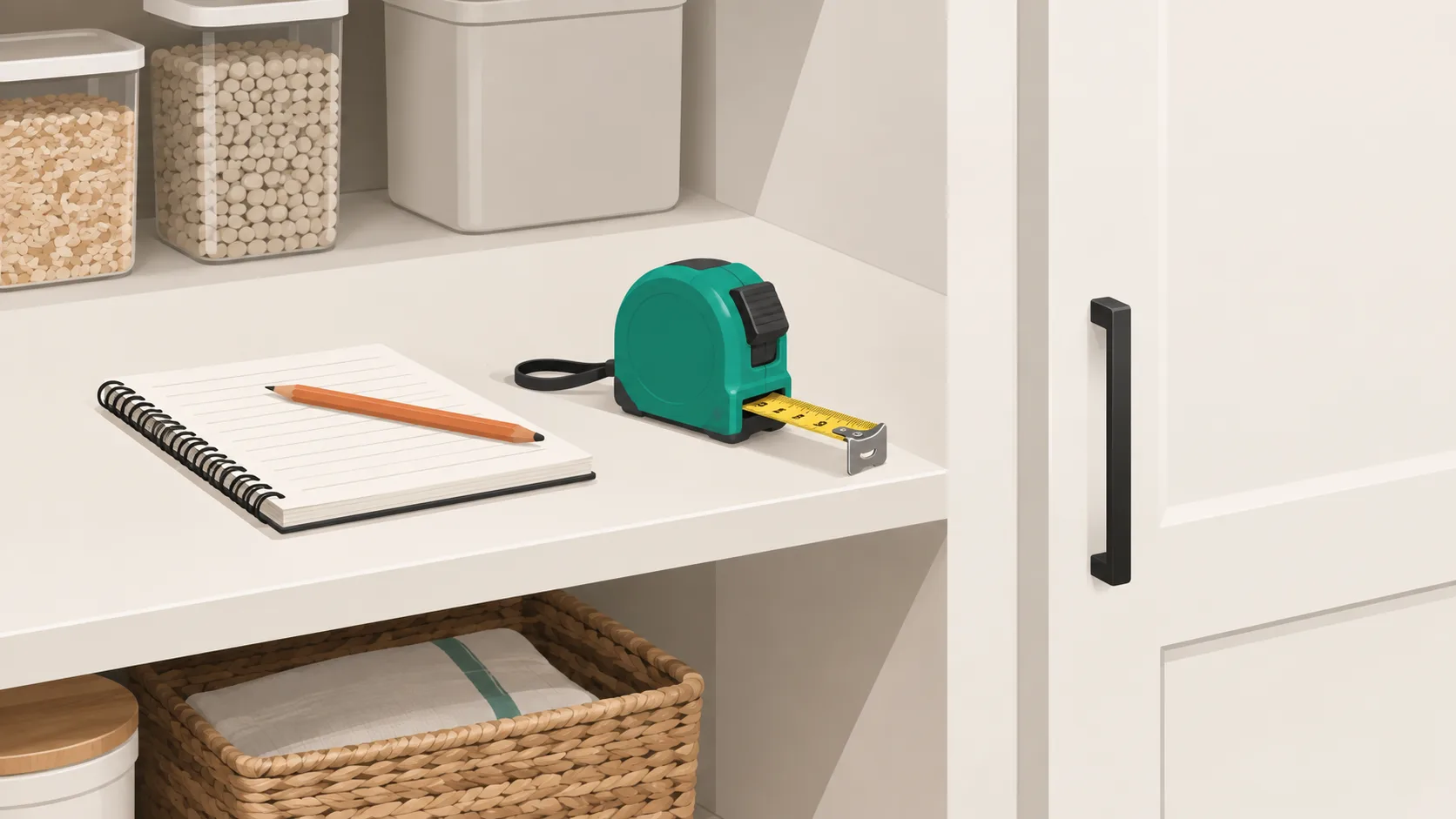
Start with a tape measure, not a shopping cart. Standard pantry shelves run 12-16 inches deep and 10-14 inches tall, and half the bin returns on Amazon happen because someone bought before measuring. Note shelf depth, shelf height, and the width of your widest snack (family-size chip bags are the usual culprit). Our small laundry room storage ideas piece uses the same measure-first rule and it works everywhere in the home.
Next, group your snacks before buying containers. Chips and bags, bars and packets, canned drinks, kids’ snacks, breakfast items. Once the piles are visible, the container sizes pretty much choose themselves. Households with young kids should almost always add a low, open bin at reachable height, which we also flag in our budget closet organization approach for family spaces.
Finally, choose the system your household will actually reset. A gorgeous decanted-label setup that nobody but you maintains is not sustainable; a simple bin-per-category setup that everyone can restock is. The small bedroom storage principles we recommend elsewhere apply here too: the tidiest system is the one with the lowest reset cost.
Takeaway: measure, group, then buy, in that order.
FAQ: Frequently Asked Questions
What is the best way to organize snacks in a pantry?
Start with a dedicated snack zone on one shelf, group snacks by category (chips, bars, pouches, cans), and use clear stackable bins so contents are visible. This combination handles most households and stays tidy long-term.
How do I organize snacks in a small pantry or cabinet?
Go vertical. Stackable bins, tiered wire baskets, and pull-out drawer inserts multiply usable shelf space without adding footprint. A Lazy Susan on corner or deep shelves recovers hidden space that would otherwise store expired granola bars.
What bins or containers work best for snack pantry organization?
Clear stackable bins (Vtopmart, Sorbus, and similar) rate highest for visibility and scalability. Open-front bins suit chip bags, wire tiers suit bulk, and Lazy Susans suit corners. Match the container shape to the snack shape.
How do I set up a snack station for kids?
Put a single low, open basket on a reachable shelf or lower cabinet. Stock it weekly with pre-approved snacks in the quantities you’re comfortable with. Kids self-serve within your limits, and you stop being the snack referee.
How do I keep my snack pantry organized long-term?
Do a five-minute reset every week on grocery day: toss expired items, wipe crumbs, and refill bins before new snacks land on the shelf. Systems fail from skipped resets far more often than from bad containers.
Can I organize a snack pantry without buying anything new?
Absolutely. Cereal boxes cut on an angle become free packet holders, shoe boxes work as drawer inserts, and berry baskets corral small items. Cover with kraft paper for a cleaner look and you have a zero-dollar starter system.
How do I stop snacks from getting lost at the back of the shelf?
Add a Lazy Susan for deep or corner shelves, or install pull-out drawer inserts so the whole shelf reveals itself at once. Both fixes eliminate the dead zone where snacks quietly expire without anyone noticing.
What is the cheapest way to organize pantry snacks?
Repurpose what you already own: cereal boxes, shoe boxes, and berry baskets cost nothing and handle most snack shapes. Add one $10 Lazy Susan for corners and you’ve built a full system for under $15.
Start Small and Build From There
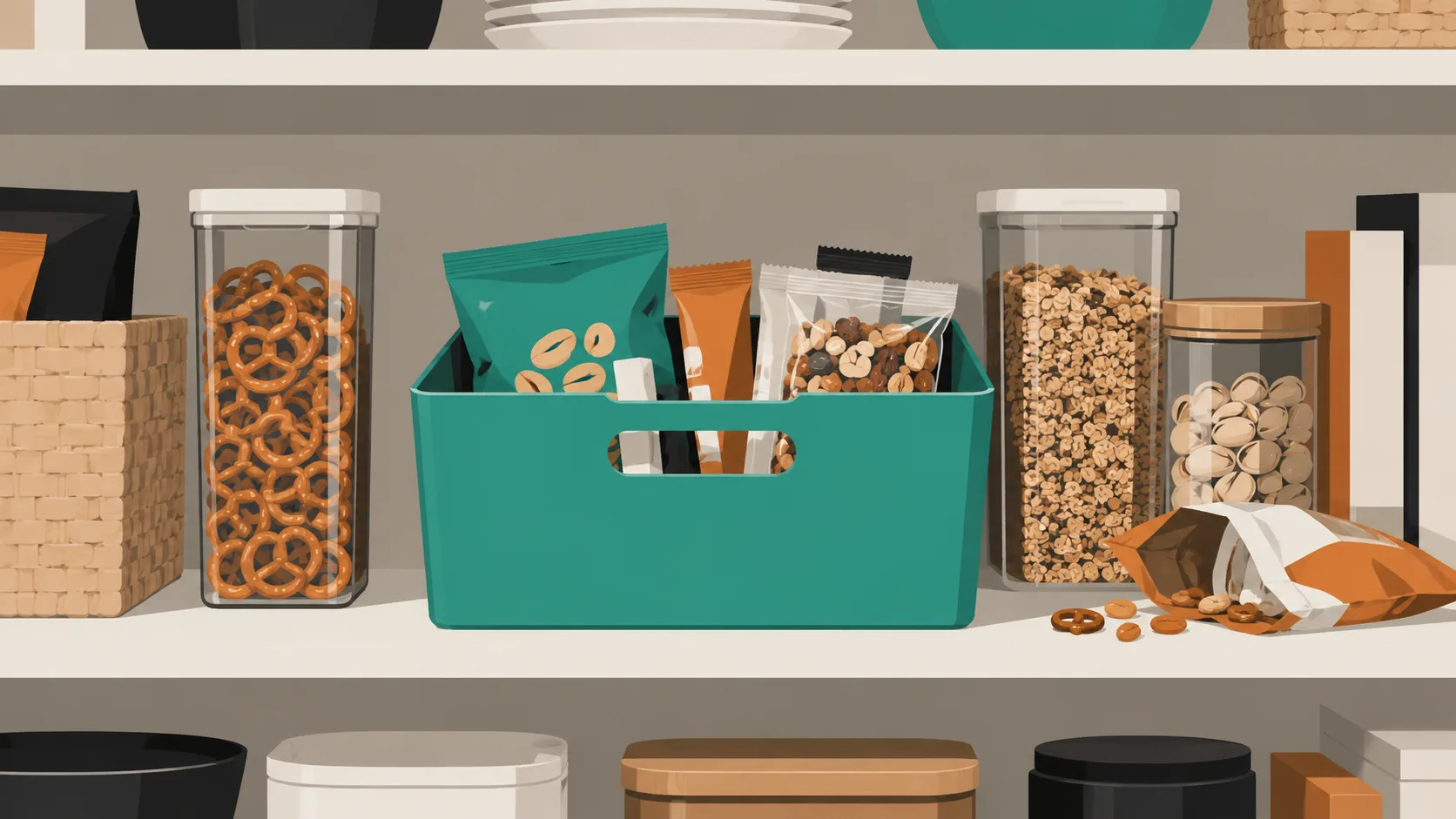
The best snack pantry isn’t the one on Pinterest, it’s the one that still looks decent on a Wednesday night after a busy week. Pick one shelf, one category, and one container this weekend. If it holds up for two weeks, expand. If it doesn’t, adjust before you invest more. For more room-by-room ideas and honest reviews of the tools worth buying, explore the full directory of pantry and kitchen storage guides at your pantry organization home base, and start with the corner of the pantry that bugs you most.