
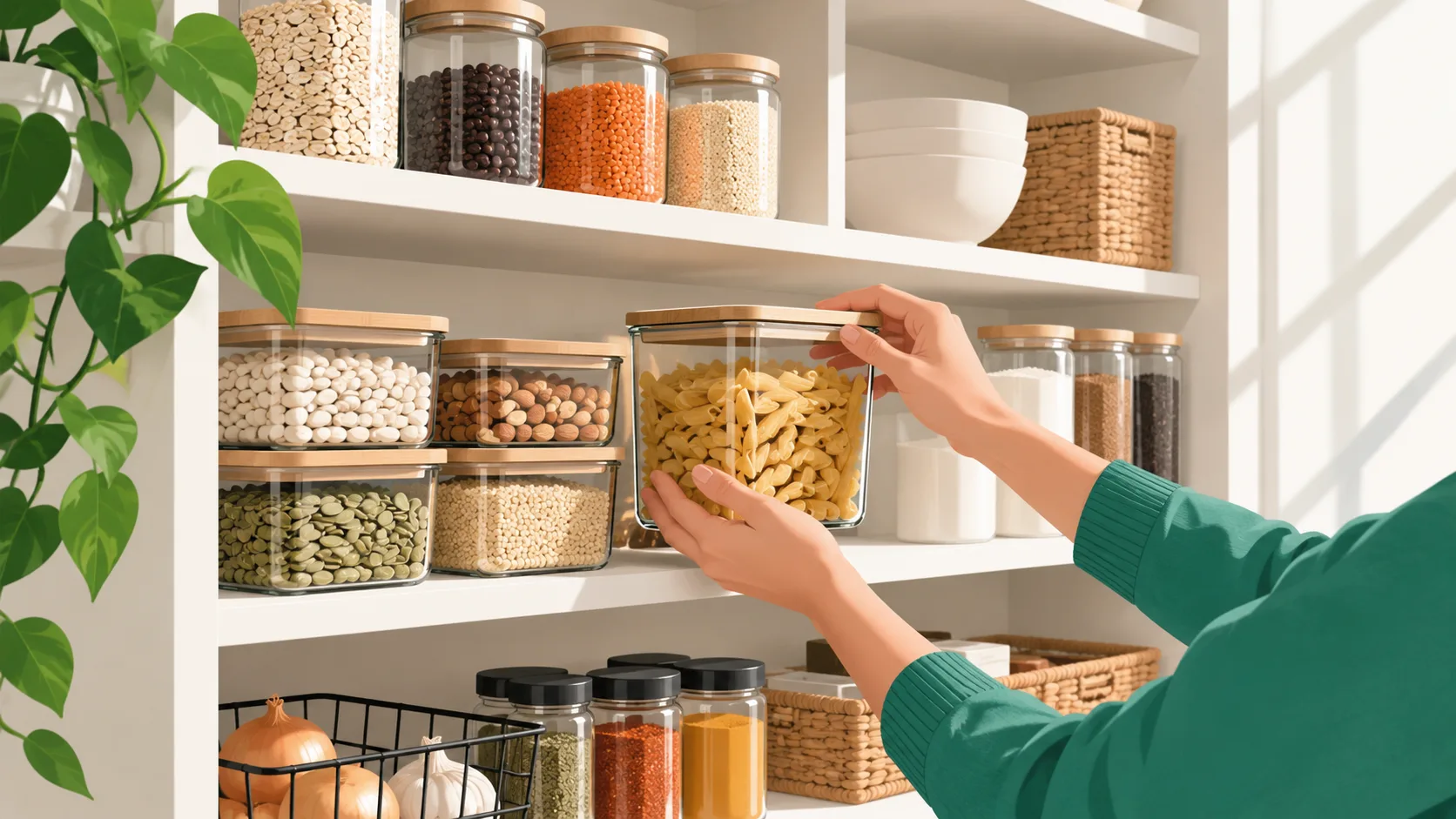
10 Best Pantry Organization Hacks That Actually Work
The best pantry organization hacks are to purge unused food, create clear zones, label containers, use clear storage, maximize vertical and door space, and keep frequently used items easy to reach. These simple changes can make a small, deep, or busy pantry easier to see, access, and maintain without requiring an expensive makeover. These 10 pantry organization hacks focus on the biggest real-world wins first, from free decluttering and zoning to simple organizers for small, deep, and busy pantries.
How We Chose and Ranked These Pantry Organization Hacks
This list is an editorial comparison of practical pantry organization methods rather than a hands-on product test. We ranked the 10 hacks using four criteria:
- Ease of implementation, can you do it this weekend with what you already have, or does it need a full Container Store haul?
- Cost-effectiveness, how much order do you get per dollar spent?
- Impact on daily usability, does it actually make cooking and grocery unloading easier?
- Long-term maintainability, will it still look this way in six months, or collapse the first busy week?
We gave extra weight to methods that are simple to maintain after the initial setup. The recommendations draw on practical organizing principles and referenced organizer guidance, with options for both small closet-style pantries and larger pantry spaces. For deeper dives on specific spaces, our small kitchen pantry organization ideas and walk-in pantry organization guide unpack the layout differences.
Takeaway: Prioritize hacks that survive week three, not just day one.
Quick Summary: 10 Best Pantry Organization Hacks
- Do a full pantry purge first, Best Overall
- Create zones like a grocery store, Best for Clarity
- Label every container, Best Free Hack
- Switch to clear, airtight containers, Best for Visibility
- Use shelf risers and stackable organizers, Best for Small Pantries
- Store on the door, Best for Snacks and Packets
- Add a lazy Susan, Best for Deep or Corner Shelves
- Place snacks at the right eye level, Best for Families
- Group items by meal or occasion, Best for Meal Planning
- Set a “container is full” rule, Best for Long-Term Maintenance
Skip straight to the hack that matches your pantry size and budget, or work through them in order for a full overhaul. If you’re shopping on a tight budget, our Dollar Tree pantry organization hacks roundup pairs well with the first four picks.
Pantry Organization Hacks 1–4: Declutter, Zone, Label and Decant
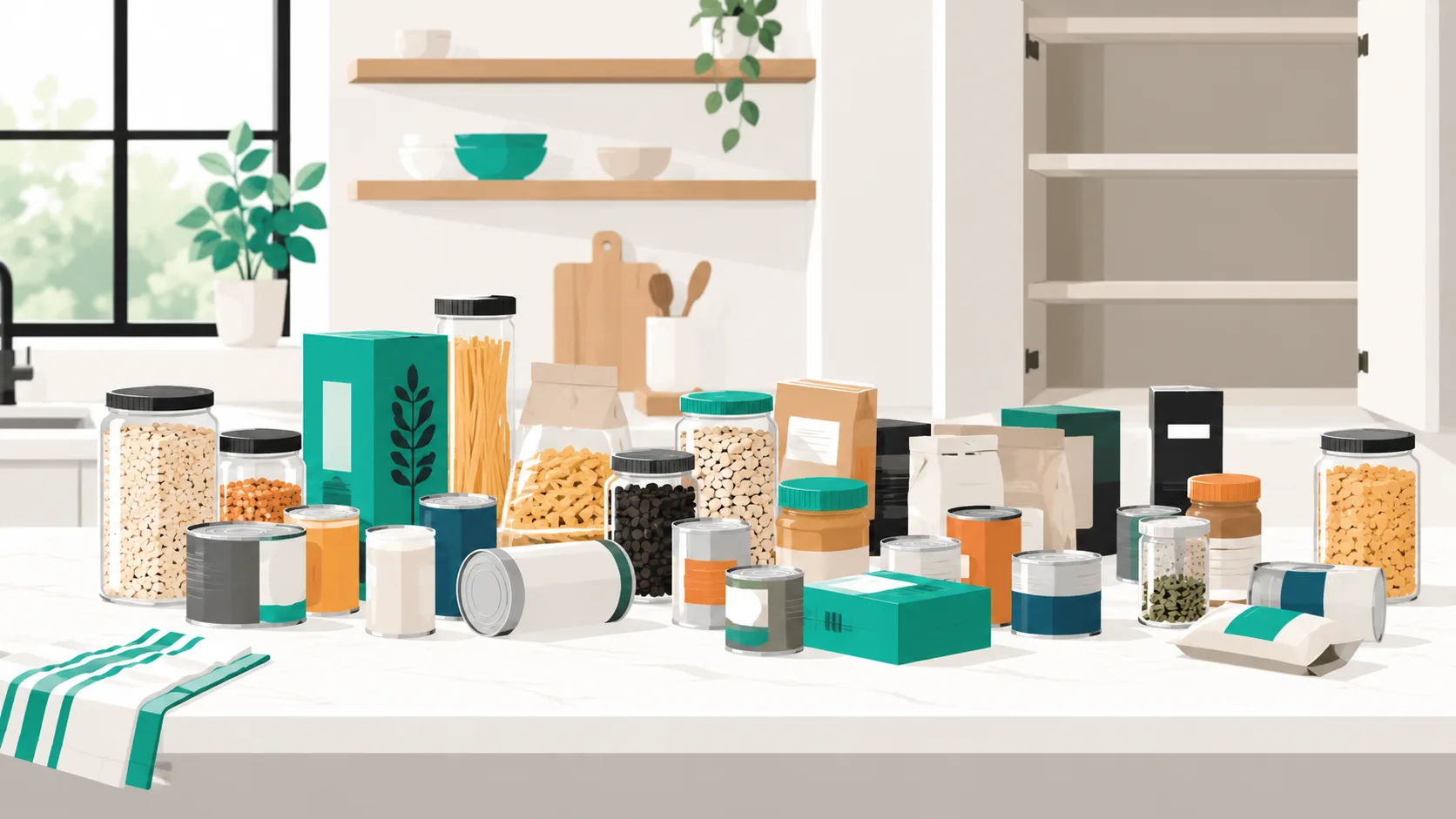
1. Do a Full Pantry Purge First (Best Overall)
Empty every shelf. All of it. Pulling everything out onto the counter is the single most recommended step across professional organizer advice, and it is the one hack that unlocks all the others. You cannot design a system around inventory you cannot see.
As you sort, check expiration dates and be honest: if you haven’t used that jar of tahini in a year, it doesn’t deserve prime shelf real estate. Time the purge right before a grocery trip when stock is already low. Expect to reclaim more space than you thought possible; most people are storing months of duplicates without realizing it.
2. Create Zones Like a Grocery Store (Best for Clarity)
Group by category the way a supermarket does: baking, snacks, breakfast, canned goods, grains, oils and vinegars. Zoning mirrors the mental model you already use when shopping, which cuts hunting time and prevents duplicate purchases.
Assign each zone a specific shelf or basket, and keep the heaviest, least-used categories on lower shelves. For a step-by-step framework, our guide on how to set up pantry organization categories walks through the sequence.
3. Label Every Single Container (Best Free Hack)
Labels are free (a masking tape roll and a Sharpie will do) and they solve two problems at once: everyone in the house can find things, and expiration dates stay visible. Add the expiration or best-by date to a container when you refill it so older food is easier to identify and use first.
Label the front-facing side, not the lid. You want to read it standing up, not craning your neck.
4. Switch to Clear, Airtight Containers (Best for Visibility)
Clear pop-top containers do two jobs. They show you exactly how much flour, rice, or cereal is left at a glance, and they keep dry goods fresher than the original packaging. A cohesive container style also makes shelves look tidier with almost no styling effort.
You don’t need to decant everything, just the staples you buy repeatedly. Our roundup of the best clear pantry storage containers and the best pantry organization boxes covers what actually holds up.
Takeaway: Purge, zone, label, decant. In that order.
Pantry Organization Hacks 5–7: Maximize Shelf and Door Space
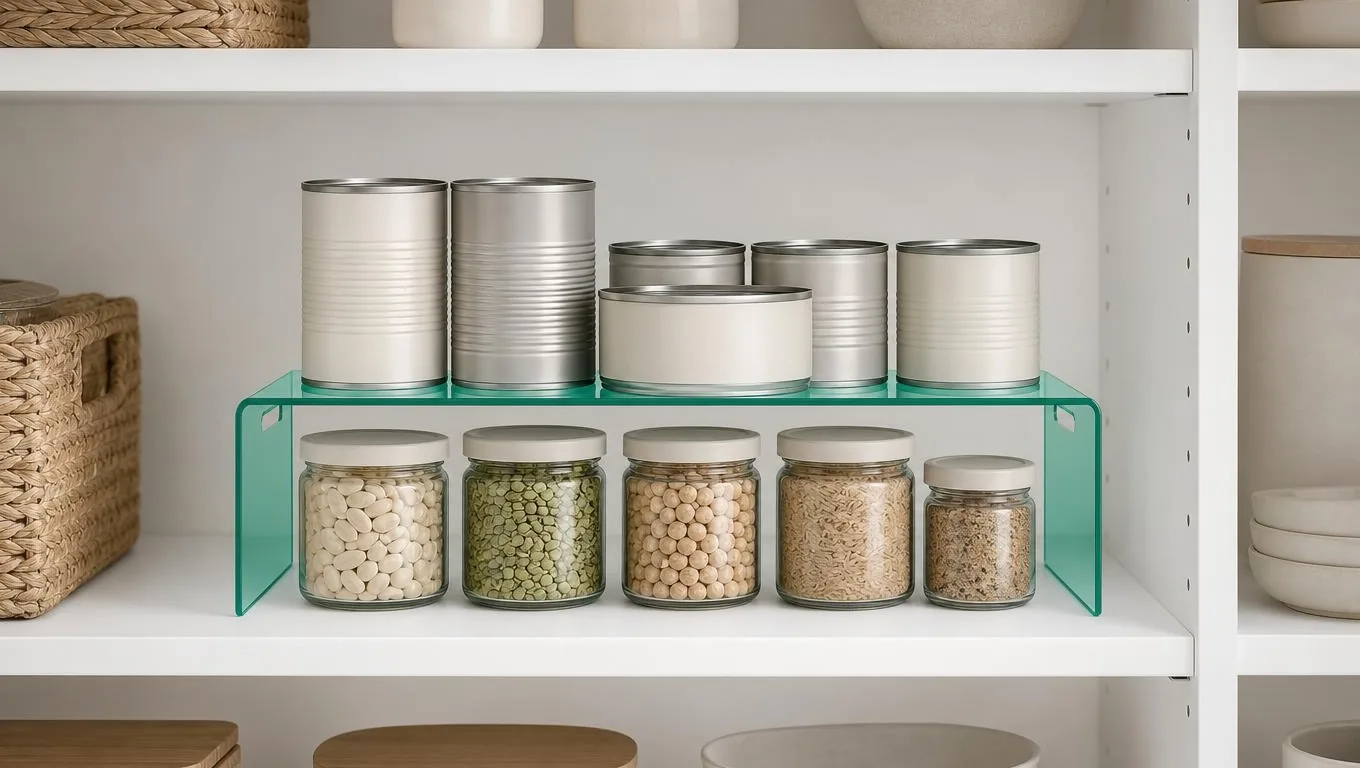
5. Use Shelf Risers and Stackable Organizers (Best for Small Pantries)
Acrylic shelf risers can double the usable space on a single shelf without any permanent installation, which makes them ideal for renters and closet-style pantries. Stack canned goods on top, tuck smaller jars underneath.
Stackable bins do similar work for snack packets and produce. If you’re working with narrow floor space, our small space storage hacks piece has more vertical tricks.
6. Store on the Door (Best for Snacks and Packets)
The back of the pantry door is the single most underused surface in most kitchens. Over-the-door hooks, clips, and pocket organizers put snack packets, sauce packets, seasoning envelopes, and the running grocery list front and center so nothing gets lost behind taller items. For shared pantries, assign a labeled hook, pocket, or snack area to each family member so the system is easier for everyone to follow.
For snack-specific ideas, our snack pantry organization ideas roundup is a good next read.
7. Add a Lazy Susan for Deep or Corner Shelves (Best for Accessibility)
Anything at the back of a deep shelf becomes invisible. A lazy Susan solves that with one spin. They are particularly effective for oils, vinegars, and spice jars that would otherwise stack awkwardly.
Corner shelves and deep shelves are their own project; our guides on corner pantry organization ideas and deep pantry organization before and after cover the trickier layouts. Pull-out drawers work even better where budget allows, see our pull-out pantry shelves and drawers picks for options.
Takeaway: Vertical, door, and rotating storage can make much better use of the shelf space you already have.
Pantry Organization Hacks 8–10: Placement and Maintenance
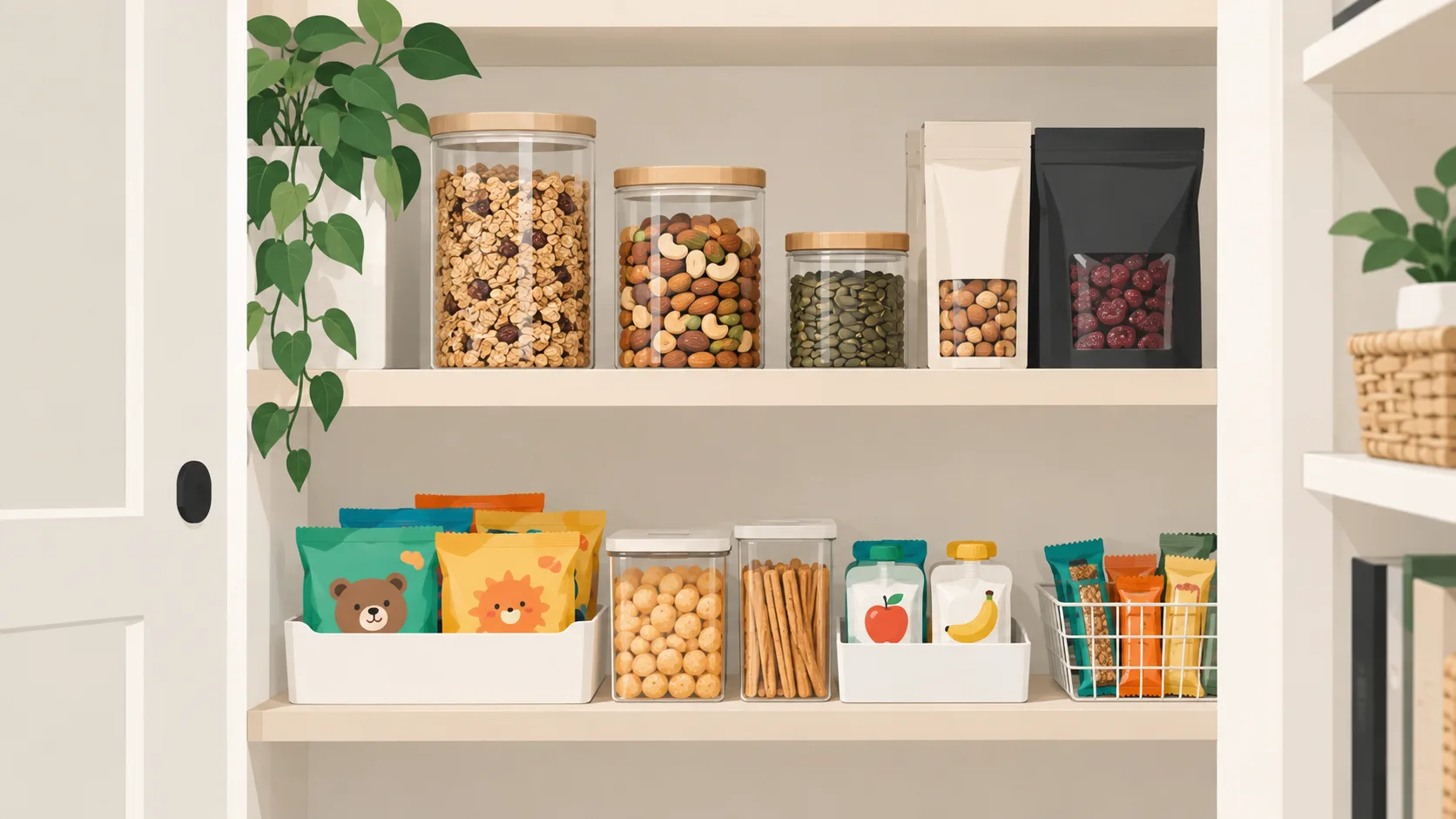
8. Place Snacks at the Right Eye Level (Best for Families)
Put adult-focused healthy snacks at adult eye level and kid-approved snacks at kid height. This one placement decision does more for pantry peace than any container purchase. Kids grab their own snacks without pulling half the shelf down, and adults don’t have to referee.
9. Group Items by Meal or Occasion (Best for Meal Planning)
Beyond category zoning, group by moment: a breakfast basket (cereal, oatmeal, granola bars), a weeknight dinners bin (pasta, sauce, canned tomatoes), a baking shelf. When Tuesday’s rushed, you grab one basket instead of hunting four shelves.
This is where a pantry organization kit or a matched pantry organization set earns its keep.
10. Set a “Container Is Full” Rule (Best for Long-Term Maintenance)
Treat each basket or bin as having a fixed capacity: once it is full, avoid cramming in more items. Leaving enough room to see and remove what is stored makes the system easier to maintain.
Pair that with a 10-minute monthly reset (not a full reorganization, just a quick sweep) and a running grocery list on the door. That simple routine makes it easier to reset the pantry before clutter builds up again.
Takeaway: Placement rules and a hard “no cramming” limit outlast any container purchase.
At a Glance: Pantry Organization Hacks Compared
| Hack | Typical Cost Level | Best For | Difficulty |
|---|---|---|---|
| 1. Full pantry purge | Free | Every pantry | Easy |
| 2. Grocery-store zoning | Free | Clarity, meal prep | Easy |
| 3. Label every container | Under $5 | Reducing waste | Easy |
| 4. Clear airtight containers | $20–$60 | Visibility, freshness | Easy |
| 5. Shelf risers / stackables | $10–$30 | Small pantries | Easy |
| 6. Over-the-door storage | $15–$30 | Snacks, packets | Easy |
| 7. Lazy Susan | $8–$25 | Deep, corner shelves | Easy |
| 8. Eye-level snack placement | Free | Families with kids | Easy |
| 9. Group by meal/occasion | Free (or basket cost) | Meal planners | Medium |
| 10. “Container is full” rule | Free | Long-term maintenance | Medium |
Pick two or three starter hacks based on budget and pantry size before committing to a full overhaul. The three free hacks alone (purge, zone, and placement) can make a noticeable difference before you buy organizers.
What to Look for in a Pantry Organization System
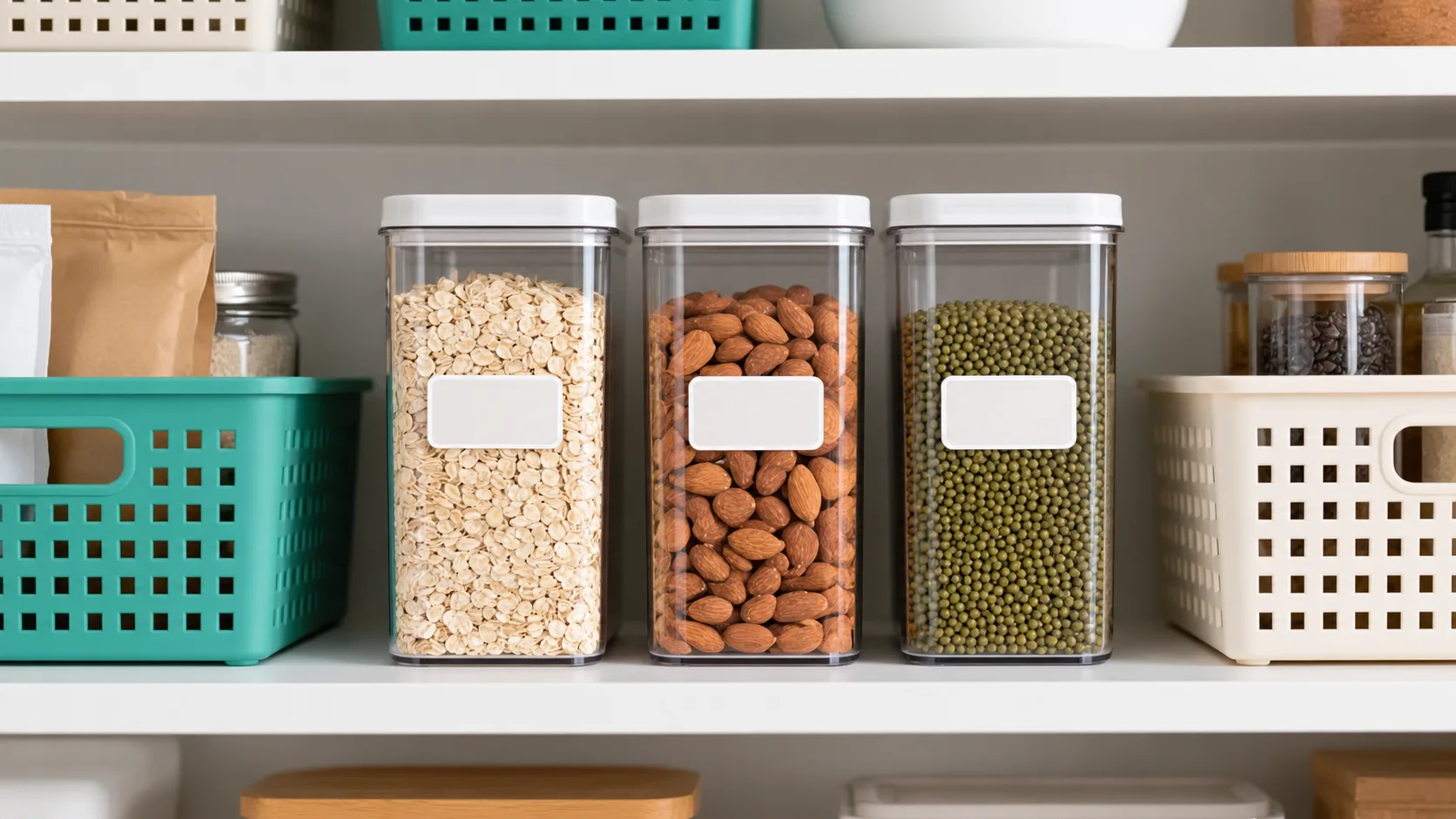
Before you spend a dollar on bins, run through this short checklist.
- Maintainability beats aesthetics. A system that takes 30 seconds to restore after a busy week will outlast a picture-perfect setup that needs constant fussing.
- Measure before buying. Shelf depth, height, and width all determine what will actually fit. A too-tall bin becomes clutter itself.
- Choose a cohesive style per shelf. All clear bins on one shelf, all woven baskets on another. You don’t need to match every item, just create visual calm within each zone.
- Consider who else uses the pantry. Kids, partners, and housemates need intuitive zones they can follow without reading labels. Design for the least-organized person in the house.
- Avoid over-organizing. Buying too many dividers before you know your real storage needs adds expense and creates new clutter. Start with the free hacks, live with them for two weeks, then buy only what’s missing.
For a broader tour of ideas across pantry styles, our pantry organization ideas hub is a useful browse.
How to Choose Which Hacks to Start With
Pick your starting point based on the four ranking criteria. If cost is the constraint, start with the four free hacks (purge, zone, placement, “container is full” rule). If your pantry is small or closet-style, prioritize vertical hacks: shelf risers, door storage, and lazy Susans. If you have a family, snack-height placement and meal-based grouping will save you the most daily friction. And if you’ve tried and failed before, the maintenance rule at #10 is the one you skipped.
Start with one shelf. Not the whole pantry. Small wins compound.
Pantry Organization Hacks FAQ
How do I start organizing a pantry when it’s completely overwhelming?
Empty one shelf, not the whole pantry. Sort those items into keep, toss, and donate piles, then wipe the shelf and put back only what you use. Repeat with the next shelf tomorrow.
What are the best containers for pantry organization?
Clear, airtight pop-top containers for dry staples like flour, sugar, rice, and cereal. Open baskets for snack packets and produce. Match container types within each shelf for visual calm, and always measure your shelf depth before buying.
How do I organize a small or closet-style pantry with limited shelf space?
Go vertical. Use acrylic shelf risers to double each shelf, hang an over-the-door organizer for packets and lists, and add a lazy Susan on any deep shelf. Decant into uniform containers so nothing wastes space.
How do I organize a deep pantry so items do not get lost?
Use pull-out bins or baskets to bring items at the back forward, and place a lazy Susan where bottles or jars tend to disappear. Keep frequently used foods toward the front, group backup items together, and avoid stacking unrelated products in multiple rows.
Is it worth buying matching containers for a pantry?
Yes, for staples you buy repeatedly. Matching clear containers create instant visual order and make refills obvious. But don’t decant everything; single-use items are fine in their original packaging. Buy only what earns its shelf space.
How do I keep my pantry organized after I set it up?
Follow the “container is full” rule (no cramming), keep a running grocery list on the door, and schedule a 10-minute monthly reset. Small consistent maintenance beats an annual overhaul every time and keeps the system from collapsing.
What should go at eye level in a pantry?
The items you reach for daily: breakfast staples, weeknight dinner basics, and adult snacks. Move less-used items (special-occasion baking supplies, backup canned goods) to the highest and lowest shelves. Kid snacks belong at kid height.
How often should I clean out and reorganize my pantry?
A quick 10-minute reset once a month, plus a full purge twice a year (spring and fall are natural checkpoints). Check expiration dates each reset and pull anything you haven’t touched in six months for donation.
What pantry organization hacks cost nothing?
The four highest-impact hacks are free: purging expired and unused items, zoning by category like a grocery store, placing snacks at the right eye level, and enforcing a “container is full” rule. Start there before spending a dollar.
Start Small and Build From There
The best pantry organization hacks are the ones that make your pantry easier to use every day. Start by purging what you no longer need, creating simple zones, labeling what matters, and adding organizers only where they solve a real storage problem. Add containers, risers, and door storage only where they earn their space. Start with one shelf this weekend, and let the wins compound. For more ideas across every pantry style and budget, explore the full pantry organization directory at Stash Savvy, including our roundups on Dollar Tree organization hacks and IKEA hacks for organizing.