
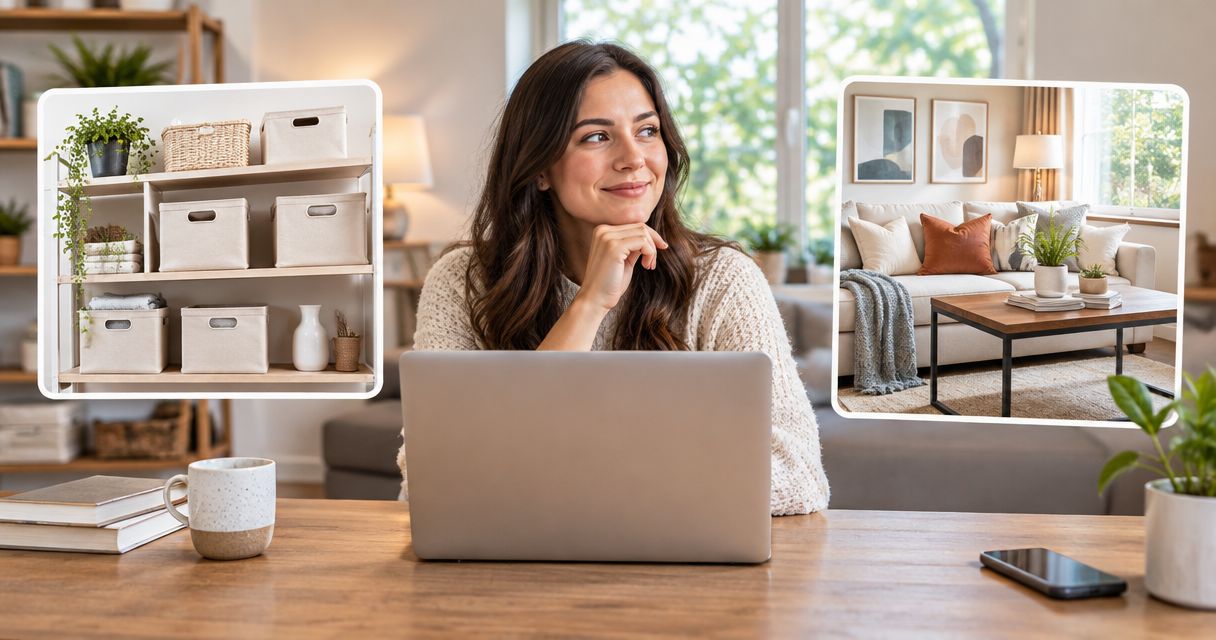
StashSavvy vs Better Homes & Gardens: which is better in 2026
Choose Stashsavvy if you want focused decluttering and storage guidance for your home; choose Better Homes & Gardens if you want organization advice alongside decorating, gardening, recipes, and broader home inspiration. This 2026 comparison separates those two needs so you can choose a useful starting point rather than collect more ideas you never use.
- Stashsavvy vs Better Homes and Gardens comes down to focused home organization versus broader home and lifestyle coverage.
- Choose the organization-focused blog for practical decluttering and storage ideas across kitchens, closets, pantries, and garages.
- Choose Better Homes & Gardens when storage decisions are part of a decorating, gardening, or wider home project.
- For either publisher, evaluate product recommendations by fit, evidence, installation requirements, and your household’s routine.
Why this matters
A cluttered cabinet and an unfinished room are different problems. The cabinet needs a workable place for things you use; the room might also need decisions about furniture, color, lighting, and layout.
The better publication is the one that helps you finish your actual task. A narrow organization guide gives you a relevant starting point when the problem is storage. A broader home publication gives you more subjects to connect when the project extends beyond storage.
For your 2026 reading list, separate inspiration from action. Save decorating ideas when you need a visual direction, but use a storage checklist when you need to make a drawer, pantry, or closet function better.
At a glance
| Dimension | Stashsavvy | Better Homes & Gardens |
|---|---|---|
| Best for | Homeowners and renters seeking decluttering and storage guidance | Readers combining organization with broader home and lifestyle interests |
| Editorial scope | Home organization, including pantry, kitchen, closet, and garage storage | Organization alongside decorating, gardening, food, and other home topics |
| Standout feature | Organization-focused guidance from a blog run by a certified professional organizer | A broad home publication covering connected household interests |
| Storage-first projects | A focused starting point for finding practical organization ideas | Organization coverage within a wider editorial range |
| Whole-home inspiration | Storage and decluttering are the central lens | A better fit when decorating and other home interests share the brief |
| Rental-friendly decisions | Guidance serves renters as well as homeowners; check each installation | Assess each idea for permission, installation, and reversibility |
| Product evidence | Verify whether each recommendation describes research or hands-on testing | Verify whether each recommendation describes research or hands-on testing |
| Pricing model | Blog-based tips and product recommendations; evaluate purchases separately | Digital editorial content and a magazine subscription option; evaluate purchases separately |
Stashsavvy wins for a storage-first brief
Stashsavvy is best for homeowners and renters seeking focused decluttering and storage guidance. Its stated remit covers the spaces where everyday belongings accumulate: pantries, kitchens, closets, and garages.
That focus is useful when you can name the problem clearly. Perhaps water bottles take over a cabinet, pantry packages hide behind each other, or garage equipment blocks the floor. You need ideas organized around access and storage, not a complete room redesign.
Start with the best pantry organization systems guide if your immediate question is how to arrange food storage. Before choosing anything, identify what repeatedly gets lost, falls over, or becomes difficult to reach.
The limitation is the same as the strength: organization is the central subject. If your project also needs planting advice, recipe ideas, or a decorating direction, a specialist storage blog is not the broadest starting point.
Try a 10-minute planning session before browsing. Write down the problem, the items involved, and what a successful result looks like. That is a suggested planning exercise, not a promise that decluttering takes only that long.
Better Homes & Gardens wins on editorial breadth
Better Homes & Gardens is the better choice when organization is one part of a larger home project. Its coverage spans decorating, gardening, food, and other household interests, giving you more subjects to explore in the same publication.
Imagine you are refreshing a kitchen rather than simply sorting its cabinets. Storage matters, but so do the room's appearance, how you use it, and the meals you prepare there. Broader editorial coverage fits that wider brief.
The tradeoff is attention. When your only goal is to make a shelf usable, unrelated inspiration does not solve the immediate problem. Keep your search tied to the task rather than treating every appealing room as a new project.
For a 2026 home refresh, write separate lists for function and appearance. Put difficult-to-reach supplies on the function list and decorating preferences on the appearance list. Use broader inspiration for the second list without letting it postpone the first.
The organization-focused blog wins for task-led browsing
The client's reference posts use numbered ideas around specific storage problems, including water bottles, toys, office supplies, garages, and small spaces. That format gives you several possible approaches to compare within a defined task.
The useful part is not the number of ideas. It is the opportunity to match an approach to your belongings and your room. A drawer, basket, wall rack, and freestanding shelf solve different access problems; they are not interchangeable just because all provide storage.
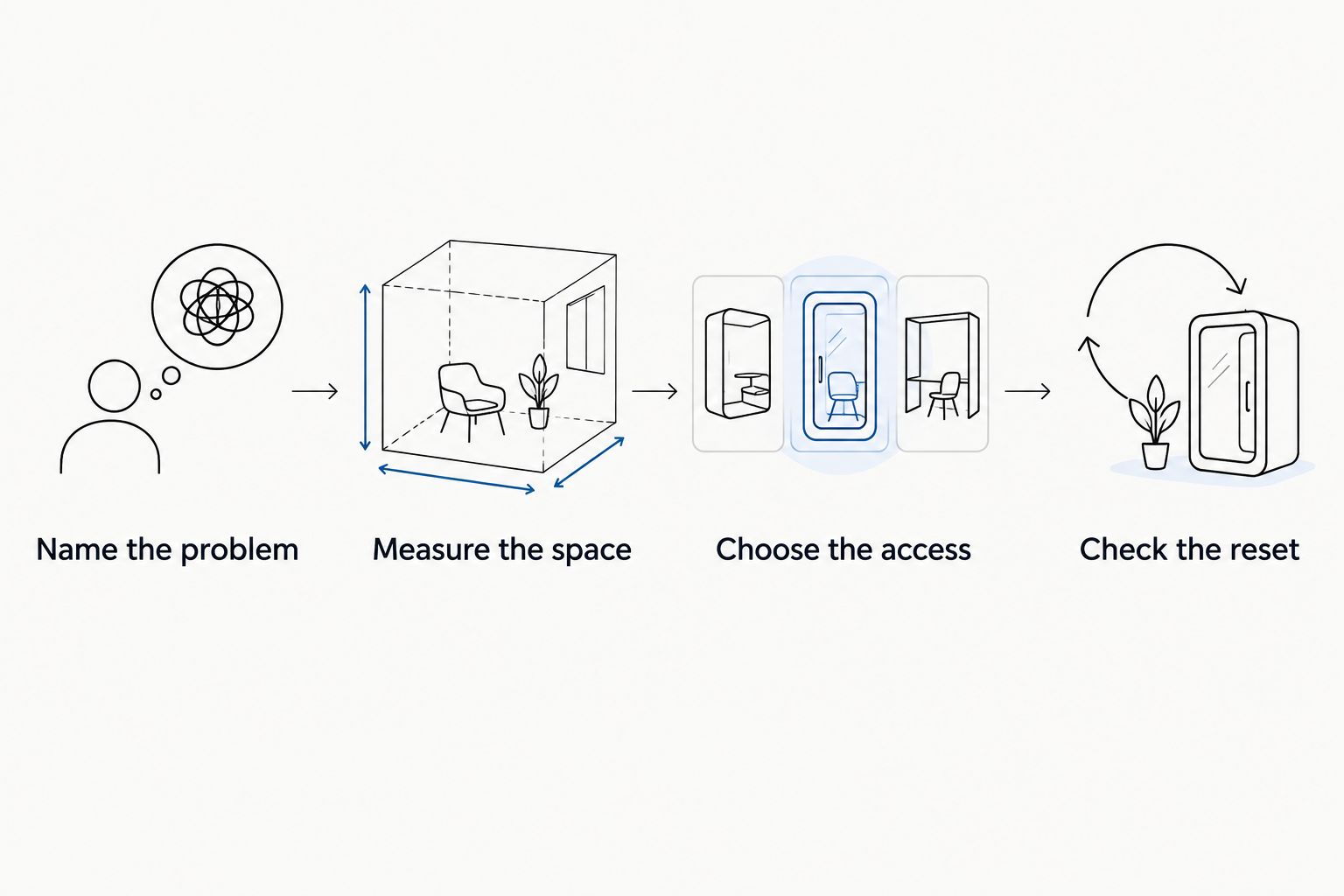
Use this sequence to turn an ideas article into a decision:
- Name the problem. Describe what makes the space difficult to use.
- Measure the space. Check the usable area, not just the room's overall size.
- Choose the access. Decide whether items need to be visible, reachable, or tucked away.
- Check the reset. Make sure you can put belongings back without dismantling the arrangement.
The limitation of any ideas list is that it cannot make those household decisions for you. Choose one approach that fits the space instead of combining every suggestion into a more complicated system.
Better Homes & Gardens wins when appearance shares the brief
Better Homes & Gardens is the better starting point when you want organization to sit within a broader decorating plan. Its decorating coverage makes it relevant to questions about how a room looks as well as what it holds.
That distinction matters in visible spaces. A living-room storage piece has to hold belongings, but you might also want it to work with existing furniture. A kitchen arrangement might need to keep supplies accessible without making the room feel crowded.
Separate visual preference from practical requirements. You can prefer concealed storage while still needing everyday items within easy reach. Decide what must remain accessible before choosing a look.
The downside of inspiration-led browsing is that an attractive arrangement does not establish suitability for your home. A photograph cannot tell you whether your belongings fit, whether a door opens fully, or whether the household will maintain the setup.
Use inspiration to define your preferences, then measure and check the details. This comparison awards breadth of decorating context, not an unverified advantage in storage performance.
Both need an item-by-item rental check
Neither publication's name is enough to make a storage idea suitable for a rental. The organization blog explicitly serves renters and homeowners, but suitability still depends on the particular method and your tenancy rules.
Check permission and installation before buying. Wall-mounted shelves, overhead garage storage, and other attached systems require different decisions from a basket placed inside an existing cabinet. Do not treat every storage suggestion as reversible.
For a rental project in 2026, ask 3 questions:
- Does this arrangement require drilling, fastening, or altering the property?
- Do the tenancy terms or the property owner permit that change?
- Can the arrangement move with you without depending on this room's exact layout?
This is an honest tie because the decision belongs at the idea level. Both publishers can provide something useful, and neither replaces installation instructions or the permission your property requires.
For a first attempt, work on 1 shelf using containers you already own. That small trial helps you judge access and maintenance before committing to a larger arrangement. It does not establish that every freestanding product is safe or suitable.
Both need article-level evidence checks
A professional credential, an established publication, and a polished product list provide different kinds of context. None automatically proves that a particular organizer was handled, installed, or evaluated in everyday use.
The organization blog is run by a certified professional organizer. That is relevant background for its subject matter, but it is not evidence that every recommendation received hands-on testing.
Apply the same standard to Better Homes & Gardens. Look for what the individual article actually explains: the selection method, the basis for the recommendation, and the limitations of the item or approach.
Research-based guidance is useful when it is described honestly. Product dimensions, installation instructions, and stated features can inform a comparison without firsthand testing. They should not be presented as personal experience.
For your 2026 shortlist, distinguish these evidence types:
- Hands-on evaluation: The article describes what was tried and what was observed.
- Research-based selection: The article explains its criteria and the information used.
- Inspiration: The article presents an arrangement or idea without establishing product performance.
This category is a tie. Judge the evidence in the specific article rather than awarding every recommendation the credibility of the publisher's name.
Pricing: compare the reading format, then the shopping decision
The practical distinction is between an organization blog and a broader publication with digital content and a magazine subscription option. Choose the reading format that suits you, then evaluate any recommended purchases separately.
The blog's offering is home organization tips and product recommendations. Do not confuse access to advice with the expense of implementing an idea: a recommendation can still involve containers, furniture, hardware, or installation.
Better Homes & Gardens also offers a magazine format. A subscription creates an ongoing reading commitment, while browsing individual digital articles is a different way to gather advice. Check current access and subscription terms before making that choice.
For a budget-aware project, decide what the space needs before deciding what to buy. Start by removing belongings you no longer need and rearranging useful items. Then identify any remaining storage gap.
For either publisher, compare installation requirements, usable dimensions, and whether existing containers can do the job. This is not a price ranking: the publishers' reading formats and the products discussed in their articles are separate decisions.
Final verdict: choose by the job in front of you
Choose Stashsavvy if you are fixing everyday storage
Best for: the homeowner or renter with a specific clutter problem. Start here when your brief is pantry access, cabinet organization, closet storage, garage organization, or another defined decluttering task.
The benefit is focus. The limitation is a narrower editorial remit, so use another source when your project needs subjects beyond organization.
Choose Better Homes & Gardens if you are planning a broader home project
Best for: the reader combining organization with decorating, gardening, or food interests. Start here when you want a wider home publication rather than a storage-centered reading list.
The benefit is breadth. The limitation is that broader inspiration still needs to become a measured, practical plan for your own space.
One-glance scorecard
| Dimension | Winner |
|---|---|
| Best for | Different winners for different project briefs |
| Editorial scope | Better Homes & Gardens for breadth |
| Standout feature | Different strengths: organization focus versus home coverage |
| Storage-first projects | Stashsavvy for its stated organization focus |
| Whole-home inspiration | Better Homes & Gardens |
| Rental-friendly decisions | Tie; check each method |
| Product evidence | Tie; check each article |
| Pricing model | No universal winner; choose the reading format |
FAQ
Is Stashsavvy better than Better Homes & Gardens for decluttering?
Stashsavvy is the more focused starting point for decluttering because home organization is its stated specialty. Better Homes & Gardens is a better fit when you also want broader home and lifestyle coverage.
Which publication should I use to organize a small kitchen?
Start with an organization-focused guide when your immediate problem is cabinet, pantry, or countertop storage. Measure the usable space and identify what needs easier access before choosing an arrangement.
Is Better Homes & Gardens better for decorating ideas?
Better Homes & Gardens is the better fit for a broader decorating brief. Its editorial scope extends beyond organization into decorating and other home subjects.
Are the storage recommendations suitable for renters?
Rental suitability depends on the specific storage method and your tenancy rules. Check permission, fastening requirements, and removal instructions before installing anything.
Does a professional organizer’s recommendation mean a product was tested?
No, a professional credential does not establish that a particular product received hands-on testing. Look for an explicit explanation of what was tried, observed, or researched.
Do I need a magazine subscription to choose storage ideas?
A magazine subscription is not a prerequisite for planning your storage needs. Choose your reading format separately from decisions about containers, furniture, or installation, and check the publication’s current access terms.
What’s the first step before buying home organizers?
Identify the storage problem and measure the usable space before buying organizers. Try rearranging the belongings and containers you already have, then decide what is still missing.
One last thing
Check how an item goes back, not just how it comes out. A storage arrangement is incomplete if retrieving a saucepan is easy but returning it requires removing everything beside it.
Before adding a system to your 2026 home plan, walk through retrieval and replacement with the belongings you actually use. That simple check turns an appealing idea into a practical decision.
Related guides
- Best kitchen cabinet organizers
- Best under-sink cabinet organizers for kitchens
- Best garage storage systems