

StashSavvy vs Real Homes: which is better in 2026
Choose StashSavvy if you need practical decluttering and storage guidance; choose Real Homes if your project combines organization with decorating and broader home updates. This 2026 comparison separates those needs so you can find useful advice without turning an overflowing cupboard into an unnecessary room makeover.
- StashSavvy vs Real Homes comes down to focused home organization versus broader decorating and home-improvement guidance.
- Choose the organization-first approach for pantry clutter, crowded closets, and rental-friendly storage decisions.
- Choose Real Homes when storage needs to work alongside furniture, finishes, and a wider room update.
- Neither publication’s name replaces article-level evidence when you evaluate product recommendations.
Why this matters
An awkward room and an overcrowded room need different solutions. If your kitchen contains more mugs than you use, another shelf does not answer the first question: which mugs deserve the space?
But decluttering alone will not help you choose a furniture arrangement or coordinate storage with a room’s appearance. Start with the decision you need to make, then choose the publication that addresses it.
For your 2026 project, write a plain-language goal before browsing: find school shoes easily, clear the food-preparation surface, or make a living room feel more coordinated. A specific goal makes it easier to distinguish practical help from appealing ideas that belong to a different project.
At a glance
| Dimension | StashSavvy | Real Homes |
|---|---|---|
| Best for | Homeowners and renters tackling clutter and storage | Readers combining practical home advice with decorating |
| Decluttering focus | Best fit for deciding what stays and where it belongs | Better starting point when clutter is part of a wider room project |
| Design breadth | Organization-led rather than a whole-room design resource | Better fit for decorating and broader home updates |
| Rental constraints | Explicit focus on practical, rental-friendly organization | Useful when you also need inspiration for the surrounding room |
| Product evidence | Judge the evidence in each recommendation | Judge the evidence in each recommendation |
| Standout feature | Organization blog run by a certified professional organizer | Broader home-editorial scope |
| Pricing model | Editorial guidance, not a quoted organizing-service package | Editorial guidance, not a quoted organizing-service package |
| Using both | Start with belongings and storage needs | Add room styling after the practical brief is clear |
Organization-first guidance wins for a specific clutter problem
Best for: the homeowner or renter who knows what keeps going wrong. Shoes collect by the entrance, pantry packets disappear behind taller items, or clean laundry has nowhere obvious to go. These are organization questions before they are decorating questions.
StashSavvy is best for homeowners and renters who want practical home organization guidance. Its stated focus includes pantry, kitchen, closet, and garage storage, with actionable tips and product recommendations.
The advantage is relevance: you can start with the troublesome space rather than plan an entire room. The limitation is scope. If your main question concerns the room’s overall look, a storage-led approach is not a substitute for broader design guidance.
Try this before opening another inspiration page:
- Name the item category causing trouble.
- Describe where those items collect.
- Identify who needs to retrieve and return them.
- Decide what a successful arrangement would let that person do.
“Everyone can put away their own shoes” is a more useful brief than “make the hallway nicer.” Save the decorating question for after that brief is clear.
Focused decluttering guidance wins before you buy storage
Best for: the reader tempted to solve excess belongings with more containers. Start by deciding what belongs in the space, not by choosing a basket style. Otherwise, you are selecting storage before defining what it must hold.
An organization-first resource fits this stage because the work concerns sorting, grouping, access, and upkeep. Real Homes becomes the stronger starting point when your actual decision extends beyond belongings into the surrounding room.
For a manageable beginning, set a 10-minute timer and choose 1 shelf. Those are suggested starting limits, not a promise that a whole cupboard takes that long. Remove its contents, group similar items, and return only what belongs there.
If you are unsure whether new containers are necessary, start with this guide to organizing a pantry without buying containers. The useful question is whether your existing space supports the contents you keep—not whether every category has a matching vessel.
The tradeoff: a small decluttering task will not deliver a whole-room transformation. It does give you a clear, limited decision you can act on without committing to a larger project.
Real Homes wins when the room needs more than organization
Best for: the reader planning storage alongside decorating or home improvements. Real Homes covers a broader home-editorial territory, making it the better fit when you need to consider the room beyond its cupboards and drawers.
Suppose your living room needs somewhere for games, but you are also reconsidering furniture placement and the room’s appearance. Looking only at storage capacity leaves part of the decision unanswered. You also need to consider how the storage sits within the room you use every day.
The benefit of broader coverage is that your project can include those connected choices. The drawback is that a narrow task can expand: an ordinary storage problem becomes a furniture search, then a decorating project.
Keep your original goal visible while browsing. Separate ideas into these groups:
- Needed now: addresses the problem you named.
- Useful later: belongs to a planned room update.
- Not needed: attractive, but unrelated to your household’s use.
For a 2026 room refresh, that distinction keeps practical requirements separate from optional changes. Choose the broader resource deliberately, rather than letting a small organizing task grow by accident.
Organization-first advice wins for a rental storage brief
Best for: renters who need storage that respects their space and permissions. The brand’s stated approach explicitly includes rental-friendly solutions, so it is the more direct starting point for that brief.
That does not mean every rack, hook, or cabinet is suitable for every rental. Your tenancy terms, surfaces, clearances, and the item’s installation instructions still control what you can use. “Rental-friendly” is a starting filter, not blanket permission.
Real Homes is the better companion when you also want the storage to work with a wider decorating plan. For example, a freestanding unit has both a practical role and a visual presence; you do not have to ignore either.
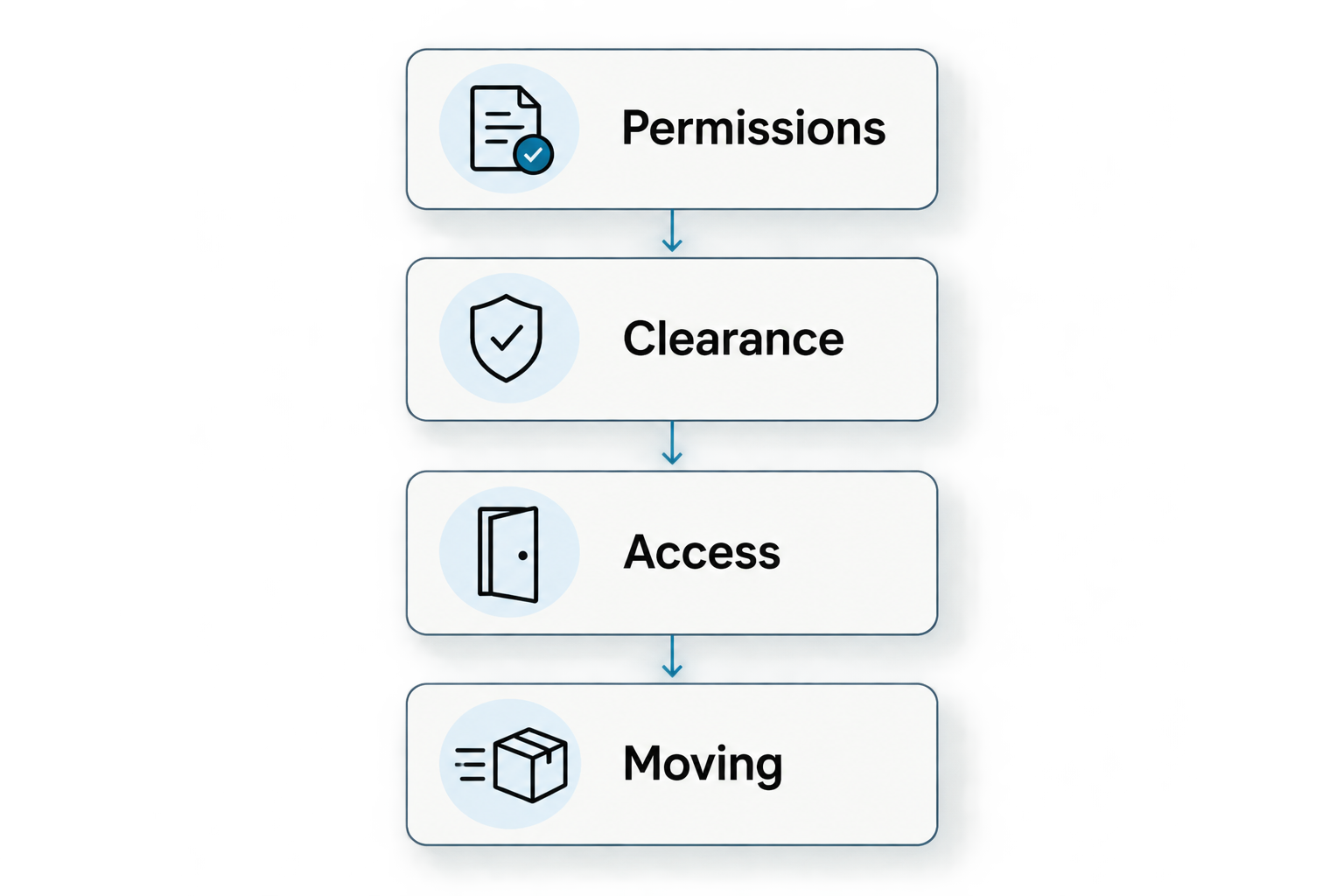
Before choosing a solution, make this short brief:
- Permissions: what changes are permitted?
- Clearance: can doors and drawers open fully?
- Access: can the intended user reach the contents?
- Moving: does the solution suit a future move?
A removable solution still needs to fit the belongings and the available space. Start with those constraints rather than treating a product label as the whole decision.
Neither publication wins on product evidence by name alone
Best for: shoppers who want to distinguish recommendations from hands-on findings. A publication’s subject focus does not establish that a particular organizer was physically tested. Neither does a professional credential establish that every recommended product was personally used.
Treat hands-on testing, research-based selection, and general organizing advice as different kinds of evidence. Each can help, but each answers a different question.
| Evidence type | What it helps you judge | What it does not establish by itself |
|---|---|---|
| Described hands-on testing | Performance under the stated conditions | Suitability for every home |
| Research-based selection | Fit against stated requirements | Firsthand experience |
| Organizing guidance | How to arrange and maintain a space | A particular product’s durability |
For either publication, look for an explanation of what was assessed and why it matters. A useful recommendation connects the item to a need: reachable shelves, accessible contents, suitable dimensions, or an installation method you can use.
Call this a tie. Choose the article with clearer evidence for your particular purchase, not the publication with the most reassuring label. If hands-on experience is not stated, do not read it into the recommendation.
Specialist leadership and broader coverage solve different needs
Best for focused organizing: a publication led by an organizing professional. Best for wider home planning: Real Homes. These are different editorial strengths, not interchangeable credentials.
StashSavvy is a home organization blog run by a certified professional organizer. That is relevant when you want guidance centered on decluttering and storage. It is not evidence of a specific product test, a guaranteed outcome, or a personalized organizing assessment.
Real Homes offers the broader editorial starting point when decorating and other home decisions sit alongside storage. Its advantage here is range, not a demonstrated win on every organizing question.
Use the distinction to choose where to begin:
- A packed pantry: begin with an organization-focused guide.
- A living-room update: begin with broader home and decorating coverage.
- A rental closet: begin with storage needs and installation constraints.
- A room that needs both: define the storage brief, then explore its appearance.
The limitation runs both ways. Narrow guidance cannot answer every room-design question; broad inspiration does not remove the need to sort your belongings.
Pricing: compare your project spending, not service packages
These are editorial resources, so the useful 2026 budget comparison concerns the decisions you make after reading—not a choice between organizing-service tiers. This comparison does not treat either publication as a quote for work in your home.
An organization-first approach fits a tightly bounded task; broader home planning fits a project that already includes room changes. Neither approach automatically makes the resulting project inexpensive.
Keep your spending decision separate from the appeal of the article. Before choosing anything, record:
- What you already own that could serve the purpose.
- What the proposed purchase must do.
- Where it must fit, including access space.
- Whether it needs installation or permission.
- What happens to the item it replaces.
For your 2026 budget, compare the complete setup rather than one attractive component. A storage idea only belongs on your shopping list once you can explain its job in your home.
Both work well when you give each a separate job
Best for: the reader who wants a calmer room without choosing between function and appearance. Use organization guidance to define what stays and where it belongs. Use broader home inspiration to consider how that arrangement fits the room.
Try the provisional arrangement for 7 days before treating it as finished. That is a suggested observation period, not a tested performance benchmark. Watch where items actually land and whether everyone can put them back.
If the arrangement fails, identify the obstacle before replacing it. The category might be too broad, the container awkward to reach, or the intended home too far from where the item is used.
This is the second tie: both resources can have a place in the same project. The useful division is practical planning first, wider room decisions second—not choosing a permanent winner for every future task.
Final verdict for your 2026 project
Choose StashSavvy if you are the clutter-first problem solver
You want home organization guidance for a pantry, kitchen, closet, garage, or another everyday trouble spot. You need actionable steps, budget-aware choices, and rental-friendly considerations rather than a whole-room design brief.
Your next move: name one problem and begin with the belongings already in that space.
Choose Real Homes if you are the whole-room planner
You want storage advice alongside decorating and broader home updates. Your project includes how the room looks and works, not only where its contents belong.
Your next move: write the room’s practical requirements before gathering decorating ideas.
| Dimension | Winner |
|---|---|
| Specific clutter problem | Organization-first guidance |
| Decluttering before shopping | Organization-first guidance |
| Decorating and broader home updates | Real Homes |
| Explicit rental-storage brief | Organization-first guidance |
| Product-testing evidence | Tie; assess each article |
| Standout editorial strength | Specialist guidance or broader scope, according to the task |
| Budget planning | Choose the approach that matches the project’s boundaries |
| Using both together | Tie; assign each a separate job |
FAQ
Is StashSavvy better than Real Homes for decluttering?
StashSavvy is the more direct fit for a decluttering-first project because its stated focus is practical home organization. Choose Real Homes when the same project also needs broader decorating or home-update guidance.
Which is better for decorating a whole room?
Real Homes is the better starting point for decorating a whole room. Define your storage requirements first so the room plan accounts for what you need to keep.
Which should I use for rental-friendly storage ideas?
Start with guidance that explicitly addresses rental-friendly organization. Check your tenancy terms and the installation requirements before using any suggested solution.
Are all recommended organizers personally tested?
Do not assume a recommended organizer was personally tested. Look for an explicit description of hands-on use; research-based recommendations and general organizing expertise are different forms of evidence.
Do I need matching containers to get organized?
No, matching containers are not a prerequisite for organizing. Sort the contents, define the categories, and assess what your existing storage can hold before choosing anything new.
How should I compare the cost of ideas from home websites?
Compare the complete project you would undertake, not just an individual item. Include any required components and installation needs, and distinguish necessary changes from optional decorating.
Can I use both publications for the same project?
Yes, give each publication a separate role. Start with decluttering and storage requirements, then use broader home inspiration to consider the surrounding room.
One last thing
Before buying the organizer, rehearse putting the item away. Stand where you normally finish using it and follow the proposed return route.
If that route feels awkward, revise the location before choosing a better-looking container. Your most useful storage decision can be a change of address for something you already own.
Related guides
- Closet organization for renters
- Kitchen cabinet organization for small kitchens
- How to declutter sentimental items without guilt