
19 Toy Storage Ideas for Playrooms, Bedrooms, and Small Spaces
Toy storage works best when children can see, reach, and put away the toys they use most. The right setup depends on toy size, the child’s age, available floor and wall space, and whether the room also serves as a bedroom or living area.
These 19 practical toy storage ideas use bins, baskets, shelves, drawers, carts, and overlooked spaces to make cleanup simpler without filling the room with extra furniture.
1. Low Cubby Organizer
A low cubby unit keeps favorite toys visible and within reach. Use one bin or category per cubby so children know where things belong. Keep heavier toys in the lowest sections and anchor the unit when the manufacturer recommends it.
2. Small-Toy Display Shelves
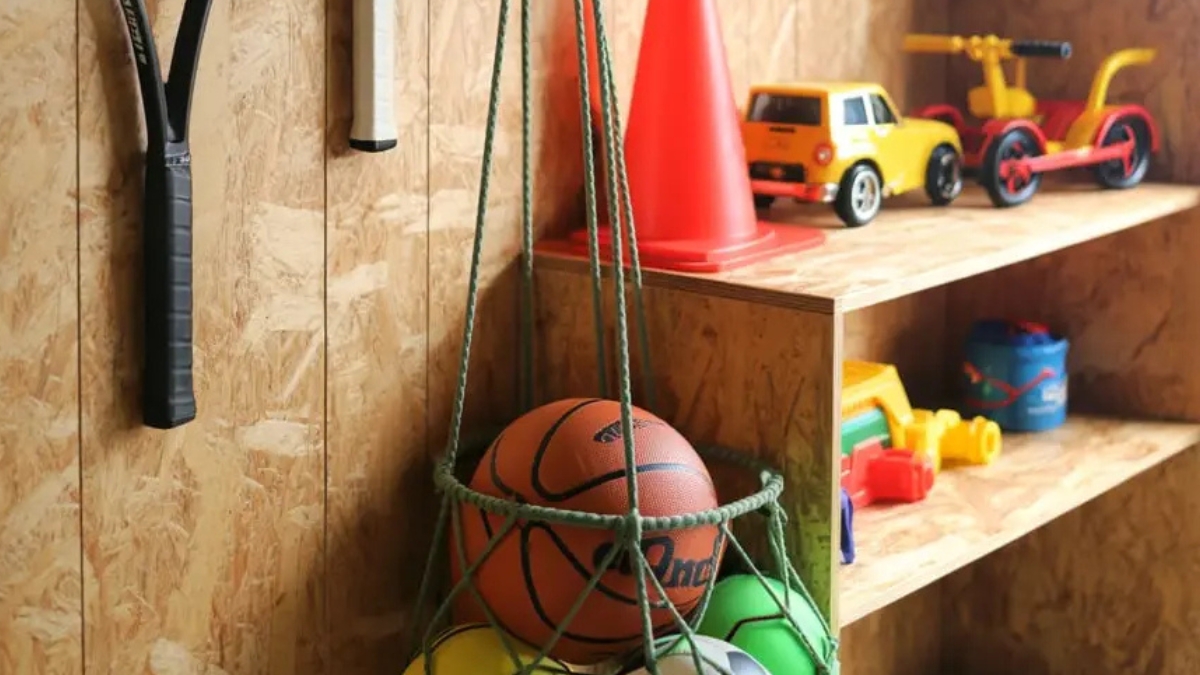
Shallow shelves work well for toy cars, figures, and small collections because items stay visible instead of disappearing into a deep bin. Keep heavier items lower and use mounting hardware appropriate for the wall and expected load.
3. Under-Bed Toy Bins
Low-profile bins or drawers turn unused space beneath a bed into convenient storage for blocks, puzzles, dress-up clothes, or less-used toys. Measure the clearance first and choose containers children can pull out safely. See our under-bed storage ideas for more options.
4. Corner Shelves
A small corner can hold books, lightweight toys, or display pieces without using the center of the room. Keep frequently handled toys on lower shelves and decorative or less-used items higher.
5. Corner Basket for Stuffed Animals
A large open basket is one of the simplest ways to contain stuffed animals. Children can toss toys in during cleanup, and the soft contents make this a good category for an open container.
6. Drawstring Play Mat Bag
A play mat that closes into a storage bag is useful for building blocks and other sets with many small pieces. Toys can stay on the mat during play and be gathered quickly when it is time to clean up.
7. Fabric Bins in a Cubby Unit
Fabric bins hide visual clutter while keeping categories separated. Add simple picture or word labels for blocks, dolls, vehicles, art supplies, or dress-up items so cleanup does not require guessing.
8. Open Bins for Frequently Used Toys
Open bins make sense for toys children use every day because there are no lids to remove. Choose smooth, purpose-made containers and avoid unstable stacks that could tip when a child pulls from them.
9. Bedside Toy Drawers
Built-in or freestanding drawers beside or beneath a bed can store bedtime books, puzzles, and quiet toys. Drawer stops and smooth slides help prevent drawers from being pulled completely out.
10. Wall-Mounted Baskets
Wall baskets can hold lightweight books, stuffed animals, or art supplies while freeing floor space. Mount them securely, keep them at an appropriate height, and stay within the hardware’s load rating.
11. Tall Toy Organizer
A tall organizer uses vertical space efficiently. Put heavy items at the bottom, everyday toys at child-accessible height, and lightweight or adult-managed items higher up. Anchor tall furniture when recommended.
12. Stuffed-Animal Hammock
A corner hammock can hold lightweight stuffed animals while leaving the floor clear. Install it securely and keep it away from cribs, beds, climbing furniture, and locations where a child could pull on or become tangled in it.
13. Rotating Toy Organizer
A purpose-made rotating organizer can make several categories accessible from a small footprint. Choose a stable unit designed for children’s spaces and do not improvise a rotating tower from loosely stacked containers.
14. Playful Bookcase or Themed Shelving
A shaped or themed bookcase can double as room decor and toy storage. Practical features matter more than the shape: look for stable construction, smooth edges, usable shelf heights, and appropriate anchoring.
15. Rolling Toy Cart
A rolling cart lets supplies move between a bedroom, playroom, and table. Store heavier items on the bottom, avoid overloading it, and use locking casters when available so the cart stays put during play.
16. Over-the-Door Organizer
Pocket organizers can hold lightweight toys, dolls, art supplies, or accessories without using floor space. Make sure the organizer does not interfere with hinges, latches, or safe door operation.
17. Floating Display Shelves
Floating shelves are useful for displaying favorite toys or collections that do not need constant handling. Avoid heavy objects above beds or play areas and periodically check mounting hardware.
18. Large Toy Basket or Chest
A roomy basket makes fast cleanup easy for larger toys. If you use a lidded toy chest, choose one designed for children with appropriate lid-support and ventilation features rather than repurposing a heavy storage trunk.
19. Create a Toy-Rotation Bin
Instead of keeping every toy available at once, store part of the collection in a labeled bin and rotate it periodically. Fewer toys on display can make cleanup faster and help existing toys feel fresh again.
How to Organize Toys So Kids Can Help Clean Up
Use broad categories rather than complicated sorting. Blocks can share one bin, vehicles another, stuffed animals another, and art supplies another. Keep the most-used categories at child height and use picture labels for children who do not read yet.
Leave some empty space in each container. A bin packed to the top is harder to use and usually spills during cleanup. When a category outgrows its container, reduce the collection or give it more space instead of forcing everything in.
Toy Storage Safety
Follow manufacturer assembly, mounting, anchoring, and load instructions. Keep heavy objects low, avoid climbable arrangements, secure tall furniture when appropriate, and keep cords, nets, and hanging organizers away from sleeping areas and other entanglement risks. Age-appropriate toy storage should also account for small parts and younger siblings.
Frequently Asked Questions
What is the easiest toy storage system to maintain?
Open bins and low cubbies are among the easiest because children can see where toys go and put them away without opening lids or drawers.
How do you store toys in a small bedroom?
Start with under-bed space, the back of the door, a narrow vertical organizer, and furniture with built-in storage. Keep the center of the room open for movement and play.
How can I make toy cleanup faster?
Use fewer, broader categories, label containers clearly, keep daily toys within reach, and avoid storage systems that require several steps to put one toy away.
Bottom Line
The most effective toy storage is easy to reach, easy to reset, and sized for the toys you actually own. Start with low bins and cubbies for everyday items, use vertical and under-bed space when the room is tight, and keep the system simple enough that children can participate in cleanup.