
12 Minimalist Storage Ideas for Small Apartments
Cramped living quarters often feel overwhelming when clutter takes over every surface. Finding space for your belongings requires a shift in how you view organization. Clutter steals mental peace and reduces physical room.
Adopting a minimalist mindset allows you to reclaim your home efficiently. Simple changes can make a tiny room feel surprisingly open and airy. Furniture must serve a purpose beyond just aesthetics to truly help.
Overlooked corners and vertical spaces hold the key to a tidy environment. Smart storage solutions often hide in plain sight waiting for you to use them. We gathered twelve specific methods to maximize every inch of your apartment today.
Living with less does not mean you have to sacrifice style or comfort. These practical tips help you organize without needing a costly renovation. Your home will soon feel spacious and calm.
Reclaiming Your Space in Cramped Quarters
Cramped living quarters often feel overwhelming when clutter takes over every surface. Finding space for your belongings requires a shift in how you view organization. Clutter steals mental peace and reduces physical room.
- Adopt a minimalist mindset to efficiently reclaim your home, making tiny rooms feel surprisingly open and airy.
- Prioritize functional furniture that serves a purpose beyond just aesthetics to truly help maximize space.
- Utilize vertical spaces and overlooked corners, as these often hold the key to a tidy environment.
- Maintain style and comfort without needing costly renovations; living with less does not mean sacrificing quality.
1. Integrated Base Drawers
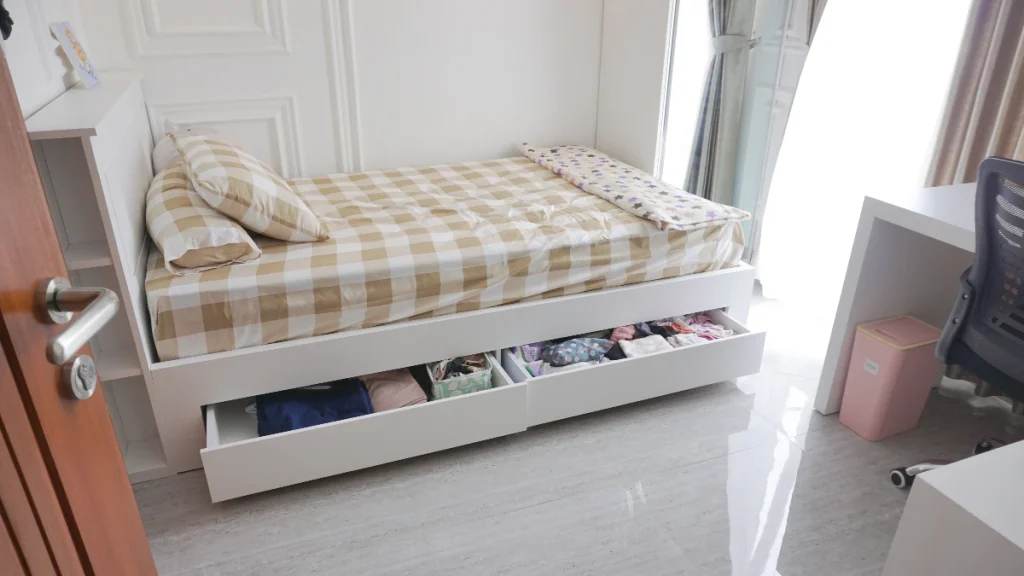
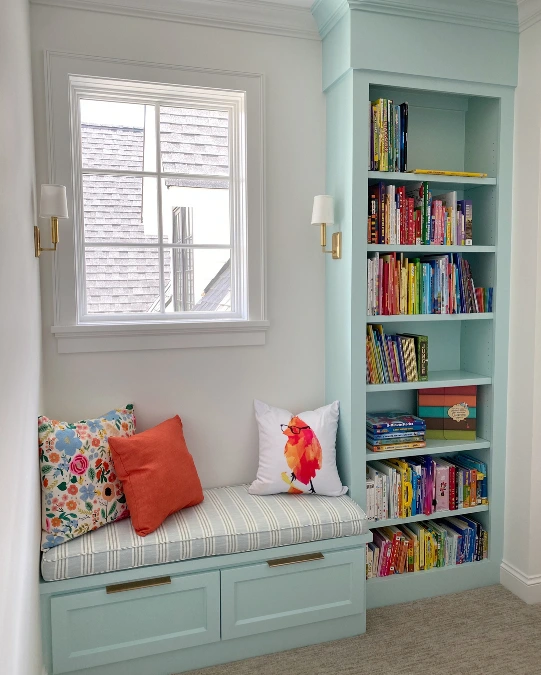
Underneath most sleeping areas lies a massive amount of wasted square footage. Utilizing this void transforms dead space into a functional closet for your belongings. Drawers built directly into the frame slide out smoothly to reveal organized compartments.
Bulky items like winter sweaters or extra linens fit easily here without cluttering the main room. Keeping the floor clear of boxes helps maintain a clean visual aesthetic in cramped quarters.
Customizing these hidden bins allows for specific categorization of socks or accessories. Baskets placed inside the larger drawer prevent smaller objects from shifting around during movement. Access becomes simple since you do not need to lift a heavy mattress to reach things.
2. Vertical Modular Shelving
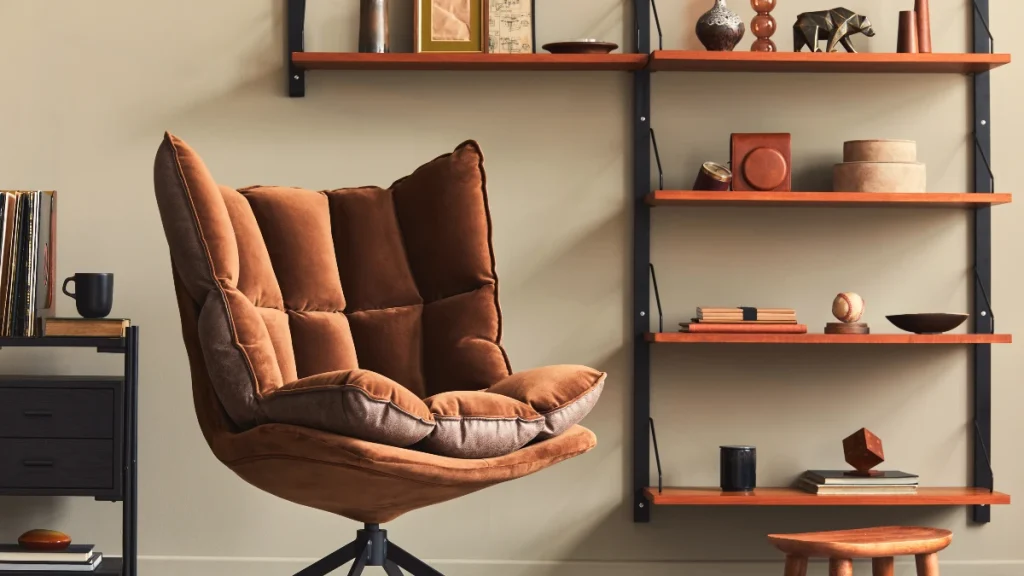
Verticality often goes ignored in small design schemes despite its vast potential. Mounting tracks directly to the wall frees up precious floor area below. Modular systems let you adjust shelf heights for books or taller vases. Keeping the ground visible makes any tight room feel significantly larger. Heavy bookcases can dominate a room but this open style breathes easily.
Curating your display involves mixing functional storage boxes with personal art. Open shelves require a bit more discipline to avoid looking messy. Wooden planks add warmth while metal brackets provide sturdy support. Placing distinct boxes on higher tiers hides smaller loose items effectively. Minimalist living relies on utilizing height rather than spreading out horizontally.
3. Tiered Floating Ledges
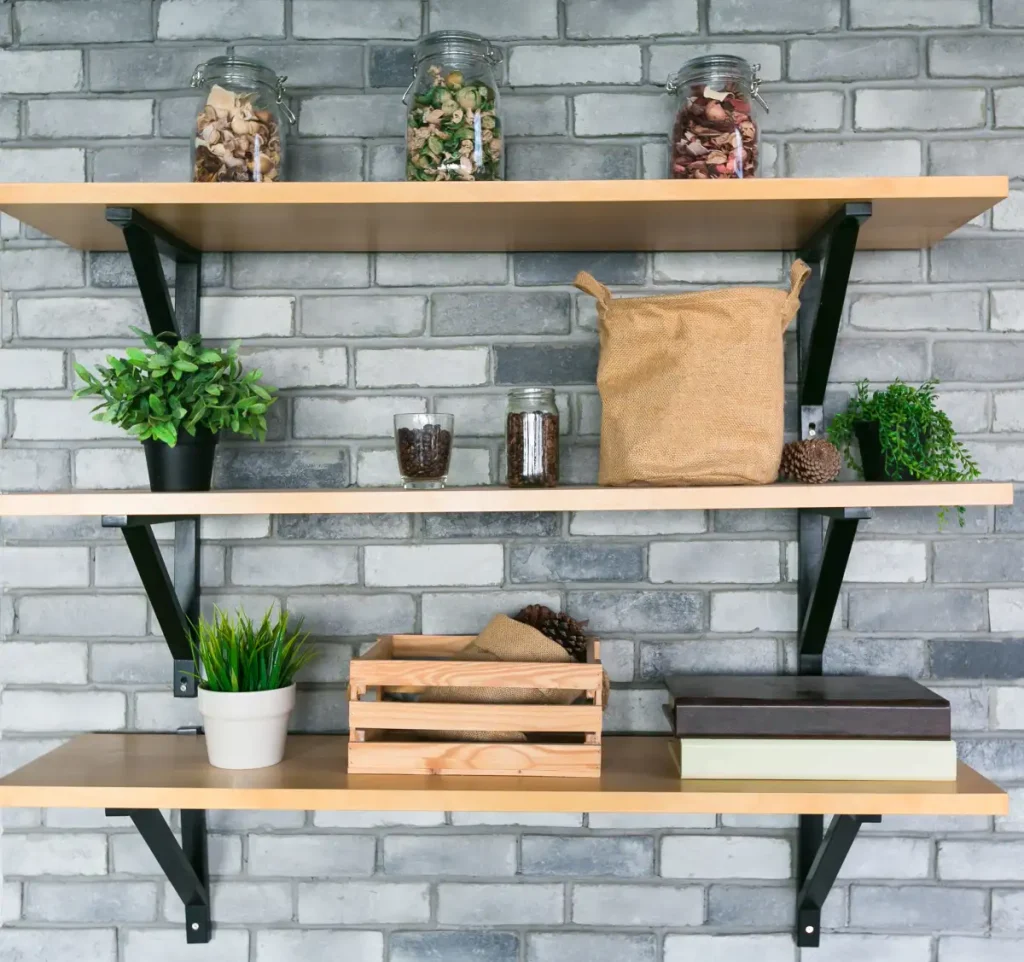
Exposed walls often look stark without proper decoration or added utility. Installing simple wooden planks transforms a bare surface into a dynamic display area. Floating shelves remove visual bulk since they lack heavy legs or cumbersome sides.
Kitchens benefit immensely when you store dried goods in clear glass jars here. Transparency allows you to see inventory levels at a quick glance.
Texture plays a huge role in keeping the arrangement looking curated rather than messy. Burlap sacks or small wooden crates hide unsightly odds and ends effectively. Greenery introduces life to the rigid structure of metal brackets and wood. Books stacked horizontally act as risers for smaller decorative objects. Utilizing verticality solves floor shortage issues common in city dwellings.
4. Seamless Wall Cabinetry
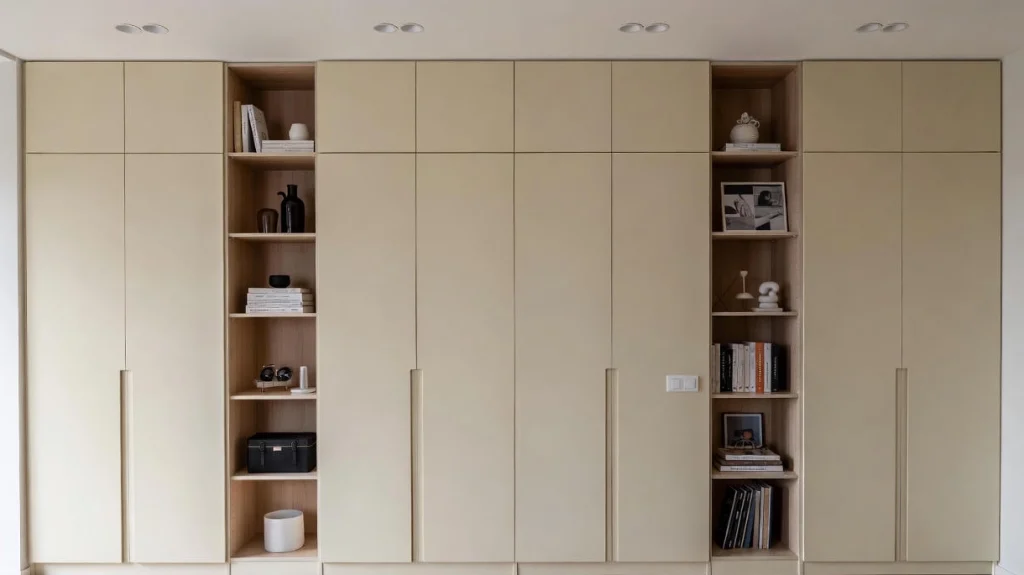
Vertical wardrobes that reach the ceiling maximize every cubic inch available. Gaps above standard cabinets usually just collect dust and waste potential space. Blending the doors with the wall color makes the room feel less crowded.
Visual clutter disappears when you hide clothing and gear behind sleek panels. Integrated units provide a clean look that standalone furniture rarely achieves.
Interspersing open niches breaks up the solid block of cabinetry nicely. Books and art pieces get a designated spot to shine without causing disarray. Closed compartments handle the heavy lifting for seasonal coats or household appliances. Accessing high shelves might require a step stool but the storage gain proves worth it. Uniformity in color creates a calming atmosphere essential for small living spaces.
5. Compact Angled Shoe Rack
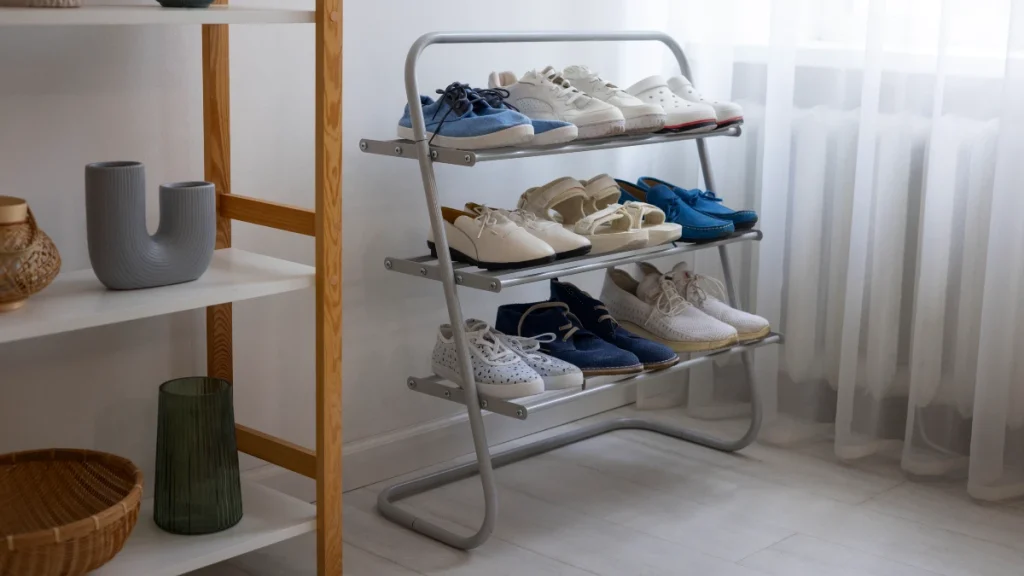
Entryways frequently become a chaotic dumping ground for daily footwear. Tripping over scattered sneakers creates unnecessary stress the moment you walk inside. Utilizing a slim, tiered rack contains the mess without blocking the hallway path.
Angled shelves keep heels and toes visible for quick selection during morning rushes. Metal frames offer durability while maintaining a lightweight profile easy to move around. Vertical organization prevents dirt from tracking further into your clean living quarters.
Ventilation remains a crucial benefit of open storage systems compared to closed cabinets. Air circulates freely around damp soles helping them dry faster after use. Visual accessibility encourages family members to actually put their belongings away properly. Minimalist designs blend into the background rather than demanding attention as a focal point.
6. Open Frame Room Divider
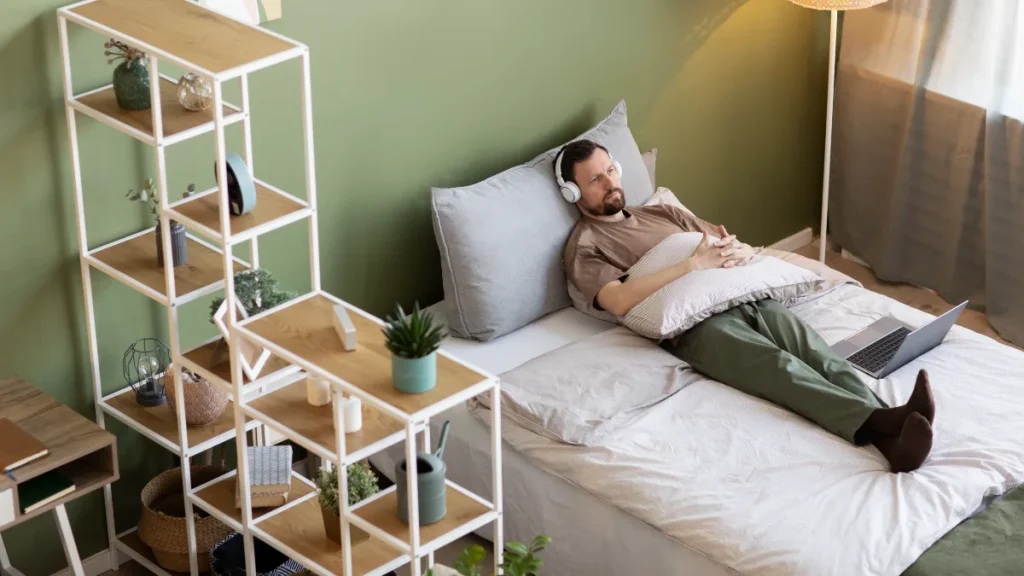
Partitioning a studio apartment often requires creative boundaries that do not block natural light. Placing a tall, open shelving unit beside the bed creates a distinct sleeping zone immediately. Visually separating the rest of the living area adds necessary structure to an open floor plan.
Metal frames keep the look airy while wooden shelves hold books, plants, or alarm clocks effectively. Solid walls make small rooms feel claustrophobic but this see-through barrier maintains spaciousness.
Verticality allows for maximum storage capacity within a very narrow footprint on the floor. Displaying lush greenery on the steps brings nature indoors without consuming valuable walking space. Organizing daily essentials on lower levels keeps them within arm’s reach of the bed.
7. Modular Open Wardrobe
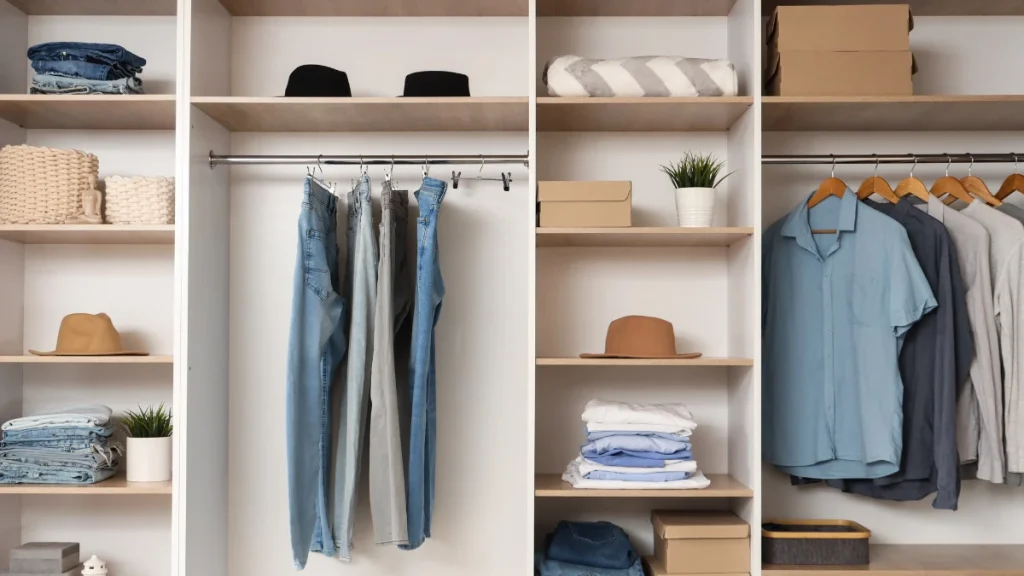
Compartmentalizing your closet changes how you interact with daily attire. Standard rods often waste vertical room leaving awkward gaps near the floor. Installing adjustable shelves allows specific zones for hats, folded denim, and cardboard boxes.
Hanging jeans by belt loops on hooks saves horizontal width compared to bulky hangers. Visual clarity prevents digging through messy piles just to find a favorite shirt.
Uniformity in hanger choice creates a boutique feel right at home. Wooden or velvet options grip clothes better than cheap plastic wires. Bins placed on high ledges conceal seasonal clutter or rarely used accessories effectively. Plants situated on shelves add a touch of life to the fabric-heavy display.
8. Customizable Drawer Dividers
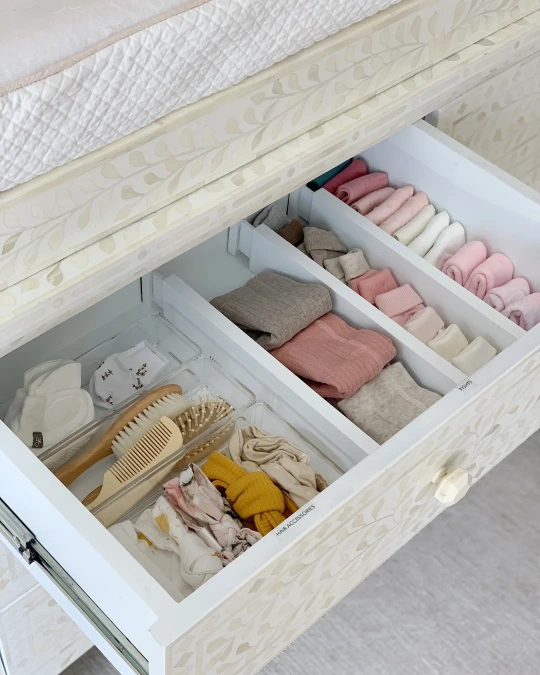
Unsorted drawers quickly become a source of daily frustration in small homes. Small items like socks and accessories disappear into a chaotic pile without boundaries. Inserting adjustable partitions transforms a large bin into specific zones for every category.
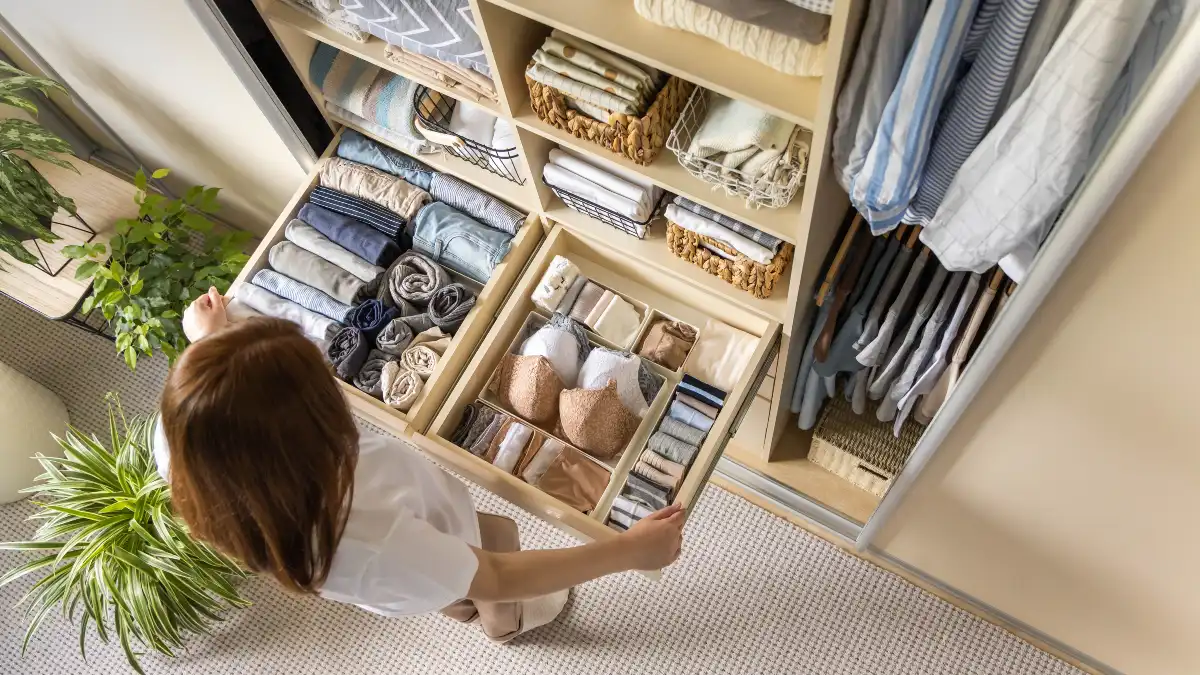
Rolling clothes instead of stacking them lets you see everything at once. Labels applied to the edge ensure everyone knows exactly where things belong.
Acrylic containers work wonders for separating hard items like brushes from soft fabrics. Rigid dividers prevent textiles from expanding or unfolding when you remove a single pair. Morning routines speed up significantly when you stop hunting for matching items.
9. Door Mounted Utility Station
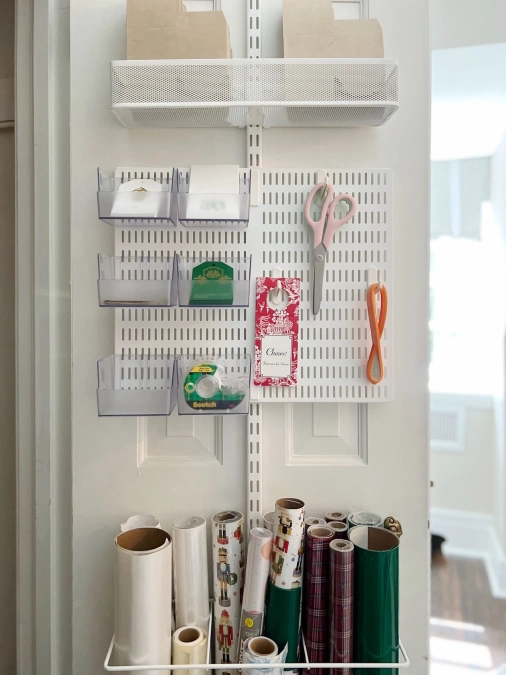
Neglected surfaces typically offer prime real estate for organization in cramped apartments. Utilizing the back of a door transforms a blank panel into a high capacity storage zone. Vertical tracks installed securely allow for modular attachments like baskets and boards to snap on.
Wrapping paper rolls stand upright in wire cages instead of getting crushed in deep closets. Keeping craft supplies here frees up desk drawers for more immediate daily work needs.
Transparency ensures that small items like tape or greeting cards remain easy to locate quickly. Pegboards provide a flexible grid where hooks hold scissors or ribbons right where you need them. Adapting the layout happens effortlessly by moving components up or down the central rail.
10. Vertical Utility Stacking
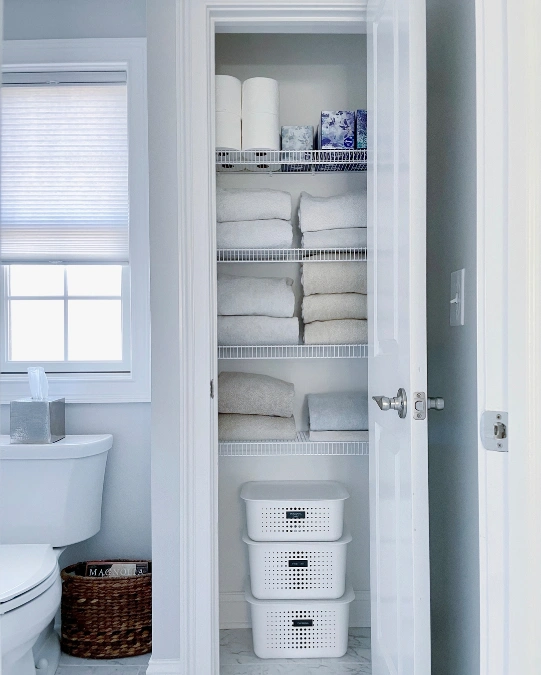
Slender alcoves often frustrate homeowners who lack sprawling storage rooms for linens. Utilizing vertical height remains the only viable strategy for organizing these tight nooks effectively.
Wire shelving allows air to flow freely around fresh linens to prevent mustiness. Stacking plush towels neatly creates a spa-like visual instead of a cluttered mess. Maximizing the gap between shelves ensures no volume goes to waste inside the closet.
Categorization simplifies life when you group similar items together in durable containers. White bins situated on the floor hold bulky necessities like cleaning supplies or medical kits. Labels applied clearly to the front save time during emergency searches for bandages.
11. Internal Dresser Integration
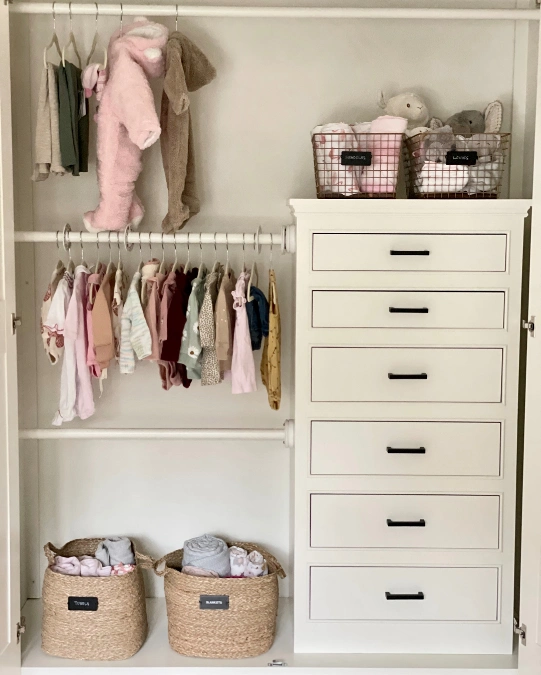
Bedroom floor plans often suffer when bulky dressers take up walking paths. Relocating a chest of drawers inside the wardrobe instantly opens up the main sleeping area. Sliding a tall vertical unit behind closed doors utilizes depth that hanging clothes rarely need.
Integrating furniture this way creates a hybrid system for both folded and hung items. Visual calmness returns to the bedroom when heavy pieces disappear from view.
Double hanging rods maximize the vertical gap left beside the dresser unit efficiently. Baby clothes or shorter garments hang neatly without dragging on the floor or lower shelves. Wire baskets situated on top of the chest catch soft toys or extra swaddles. Woven bins placed at the bottom provide a designated home for bulky blankets or towels.
12. Dual Height Hanging System
Standard rails often leave a massive void near the floor that gathers dust. Installing a second bar instantly doubles your closet’s capacity for shorter garments. Shirts and baby clothes hang high while pants or jackets occupy the lower tier.
Utilizing vertical wall space prevents overcrowding on a single horizontal rail. Adjusting the height ensures that hemlines never brush against the rod below.
Separating items by length makes visual scanning much faster during busy mornings. Kids can easily reach their own outfits when placed on the bottom level. Grouping clothes by category becomes intuitive with two distinct zones available. Simple closets rarely offer this efficiency without a quick DIY upgrade.